
Lutetium-177 Side Effects: What Patients And Caregivers May Need To Know

Treatments that deliver radioactive isotopes to target cells can produce treatment-related adverse effects that affect multiple organ systems. When an isotope such as lutetium-177 is used in a radioligand approach, the therapeutic radiation is intended to concentrate in certain tissues while other tissues may receive incidental exposure. The effects experienced by patients and observed by caregivers can include changes in blood counts, transient organ-function alterations, and short-term symptoms such as nausea or fatigue. Understanding the typical patterns of these responses helps with monitoring and supportive care planning.
Clinical teams commonly track laboratory values and symptoms before, during, and after each administration to detect changes that may require intervention or altered timing of further doses. The timing and severity of effects can vary with the specific agent, cumulative dose, prior therapies, and the patient’s baseline health. Caregivers often play a central role in observing symptom onset, communicating concerns to the clinical team, and supporting adherence to radiation-safety instructions provided by treating centers.
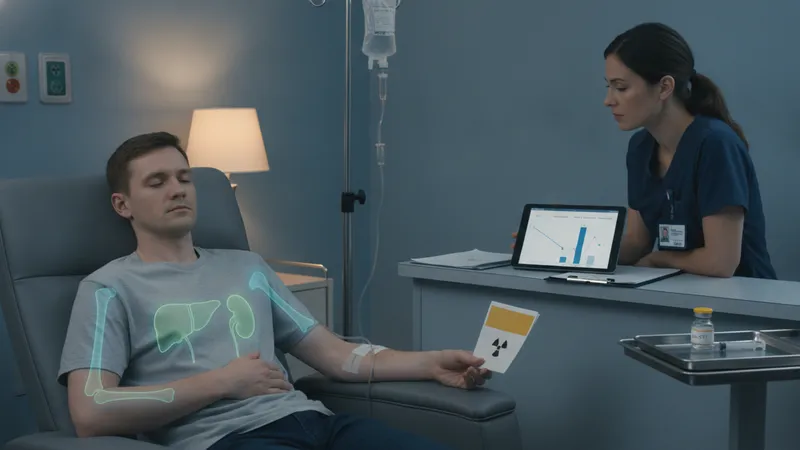
- Hematologic monitoring — routine complete blood counts to identify decreases in red cells, white cells, or platelets that may develop weeks to months after exposure.
- Renal and hepatic function checks — periodic measurements of creatinine, estimated glomerular filtration rate, and liver enzymes to assess organ handling of the radioligand and detect potential impairment.
- Symptom management and radiation-safety precautions — documentation of common symptoms (nausea, fatigue) and adherence to facility-specific guidance on handling bodily fluids and close contact post-treatment.
Hematologic effects are among the frequently monitored outcomes after radioligand administrations. Decreases in blood cell counts can occur because bone marrow receives some radiation dose during systemic therapy; the degree and timing can depend on cumulative exposure and prior treatments that affected marrow reserve. Typical monitoring schedules often include baseline counts, short-interval checks several weeks after dosing, and periodic assessments for months thereafter. Clinicians may interpret trends relative to baseline to decide on supportive interventions or adjustments to future treatment intervals.
Renal and hepatic measurements may reflect how the radioligand is cleared and how non-target tissues respond. Many centers obtain baseline renal function tests and repeat these at intervals aligned with treatment cycles to detect changes early. Methods described in clinical literature for protecting kidneys during some peptide-based radioligand therapies include amino acid co-infusions or hydration protocols; such measures are documented as potential protective strategies in some settings but their use varies by regimen and institutional protocol.
Acute symptoms reported in association with radioligand therapy frequently include transient nausea and generalized fatigue. These symptoms often present within hours to days after an administration and may lessen over a short period. Pain flares in preexisting lesions and mild mouth or gastrointestinal irritation have been described in various reports. Symptom management typically emphasizes individualized assessment and may include standard supportive treatments; caregivers often help monitor symptom patterns and report changes that could influence clinical follow-up.
Radiation-safety considerations relate to the fact that patients briefly carry a small amount of radioactive material after systemic administration. Clinical teams provide instructions on minimizing close prolonged contact with vulnerable individuals, handling of bodily fluids, and disposal of contaminated materials in the short term. Follow-up schedules commonly combine symptom review, laboratory monitoring, and imaging as appropriate to assess both effect on disease and treatment-related effects. Caregivers usually receive guidance on what to watch for and when to contact the care team.
In summary, patients receiving lutetium-177–based treatments may experience a range of laboratory and symptom changes that call for organized monitoring and communication between patients, caregivers, and clinical teams. Hematologic, renal, and hepatic assessments, together with symptom tracking and radiation-safety guidance, form the basis of routine surveillance. The next sections examine practical components and considerations in more detail.