
Long-Term Care: Planning For Future Health And Personal Needs

Care settings and service types for long-term planning
Understanding the major care settings is a foundational element of planning. Home-based services may include personal care assistance, skilled visiting professionals, and technology-enabled monitoring; these options typically support individuals who wish to remain at home but require regular help. Residential care communities often provide a mix of social supports and varying assistance levels, which may suit people seeking some communal services without full clinical oversight. Nursing facilities are structured for individuals with ongoing clinical needs. When comparing settings, planners often consider accessibility, service scope, and how each setting aligns with daily routines and safety requirements.
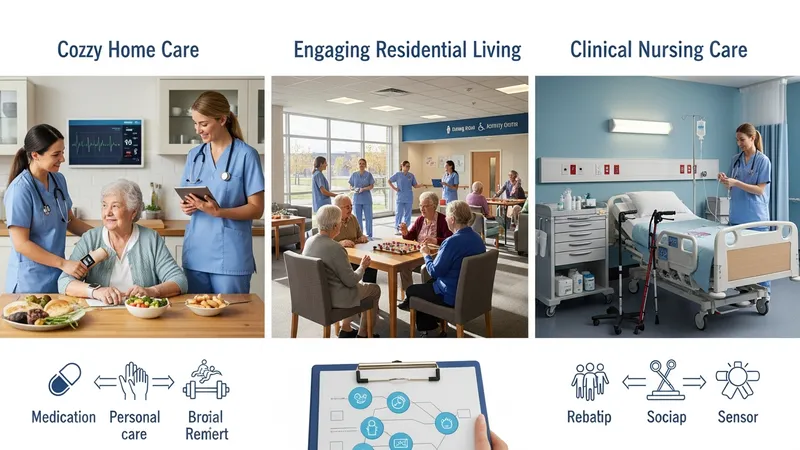
Service types within each setting can vary in intensity and regulation. Personal care aides generally assist with bathing, dressing, and meal preparation, while licensed nurses manage clinical tasks and medications. Rehabilitation therapies focus on restoring function after acute events and may be short- or long-term. Social supports, such as peer programs or adult day services, may provide respite for caregivers and social engagement for recipients. Planning that maps specific tasks to service types may clarify when professional oversight is necessary and when informal supports may be sufficient.
Technology and adaptive equipment are often part of modern service mixes and may influence setting suitability. Mobility aids, telehealth consultations, remote monitoring, and medication management devices can extend the ability to remain at home or reduce the intensity of supervision needed. However, technology works alongside human supports and typically requires training, maintenance, and reliable connectivity. Planners may evaluate technology as a complement to direct services rather than a replacement for essential personal care or clinical oversight.
Transitions between settings are a frequent planning consideration since needs commonly change over time. A plan that anticipates potential transitions—for example, from home supports to residential care or to a higher-acuity facility—often includes trigger points for reassessment, documentation transfers, and family communication strategies. These transitional elements can reduce gaps in care continuity and may help preserve health and daily functioning during periods of change. Considerations should remain practical and tailored to likely future scenarios.