
Local Plumbers: Understanding Common Residential Plumbing Services

Choosing and Working with Local Plumbers: Understanding Common Residential Plumbing Services
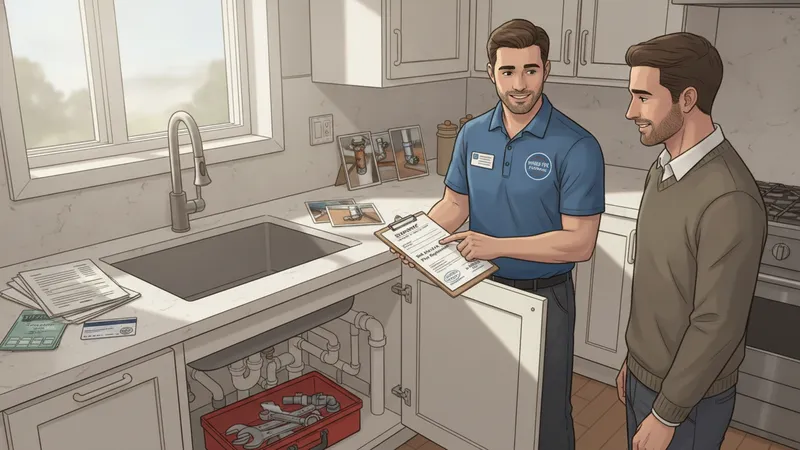
Selecting a plumbing professional often involves verifying credentials such as licensing, insurance, and applicable local permits. Credentials typically indicate that a technician has met regulatory or trade standards in their jurisdiction. Homeowners may review written estimates and service descriptions to compare scope and clarity. Clear communication about expected steps, potential access needs, and timeframes can support a shared understanding of the work; this information is commonly included in pre-service discussions or written estimates.
When engaging a plumber, consider asking for documentation of past inspections or repairs relevant to a current issue. These records may provide context about prior interventions and materials used, which can inform appropriate repair choices. Warranties on parts and workmanship may be described in written terms; understanding the duration and coverage details helps set expectations without implying absolute protection against future failures. Transparent documentation supports informed decisions and follow-up tracking.
Communication during and after service often includes confirmation of what was tested, parts replaced, and any limitations encountered (such as inaccessible piping). Photographs or camera inspection footage may be provided to illustrate internal conditions. Where multiple repair paths exist, technicians may outline what each approach involves and the relative implications for disruption or longevity, stated in measured terms rather than definitive guarantees. Such explanations can help householders weigh options consistent with their priorities.
Post-service considerations include retaining invoices and inspection reports for future reference and noting any changes in system behavior after repair. Observing fixtures and system performance in the days following service can help identify whether follow-up attention is advisable. Maintaining a schedule for routine maintenance and inspections may support longer-term system reliability, though it does not eliminate the possibility of unexpected issues. These practices contribute to informed stewardship of residential plumbing systems.