
Korean Dermatologist: Insights Into Common Skin Treatments And Approaches

Common Therapeutic Modalities Employed in Korean Dermatology Practices
Therapeutic approaches in South Korean dermatology tend to involve both topical and procedural options. Topical agents are frequently tailored to address inflammation, hyperpigmentation, or infection, depending on the diagnostic outcome. These may include corticosteroids, retinoids, or antibacterial formulations administered with dosage adjustments.
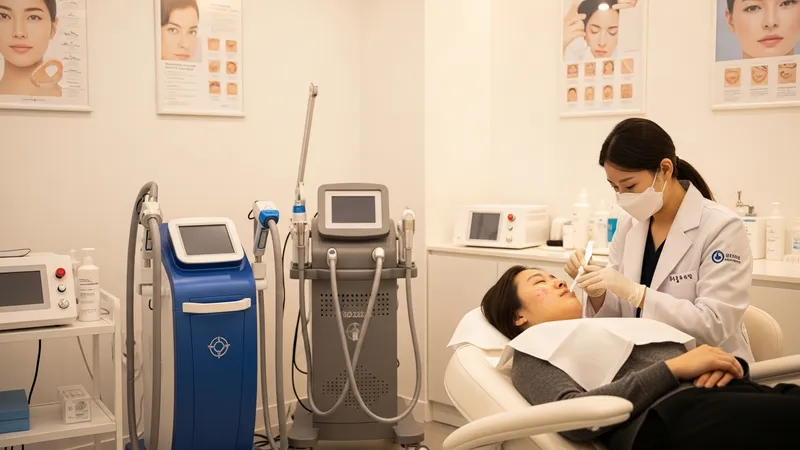
Procedural interventions, such as laser therapy, are also prevalent. These devices operate under stringent safety and efficacy guidelines issued by South Korean health authorities. Their applications may range from pigment correction to vascular lesion treatment, often conducted in specialized dermatology clinics.
Phototherapy, involving ultraviolet light exposure, is used for certain chronic skin conditions following clinical assessment. Treatment durations and frequencies are typically calibrated to balance therapeutic effect with risk mitigation. Patient monitoring during phototherapy sessions is a common practice to oversee response and potential side effects.
In addition, Korean dermatologists may incorporate chemical peels and micro-needling as adjunctive procedures. These techniques aim to improve skin texture and are performed under clinical supervision to minimize risk. The integration of procedural and pharmacological treatments illustrates a layered approach to skin condition management.