
Korean Anti Aging Routine: Understanding Daily Skincare Practices

Key Cleansing Techniques in Korean Anti-Aging Skincare Routines
In Korean skincare routines focused on anti-aging, thorough yet gentle cleansing is considered foundational. The process typically begins with an oil-based cleanser, which may be effective in dissolving sunscreen, makeup, and excess sebum on the skin’s surface. This step is often performed using soft circular motions that avoid excessive friction. The purpose of this dual-stage approach is to help reduce the presence of residual impurities that could interfere with subsequent skincare layers.
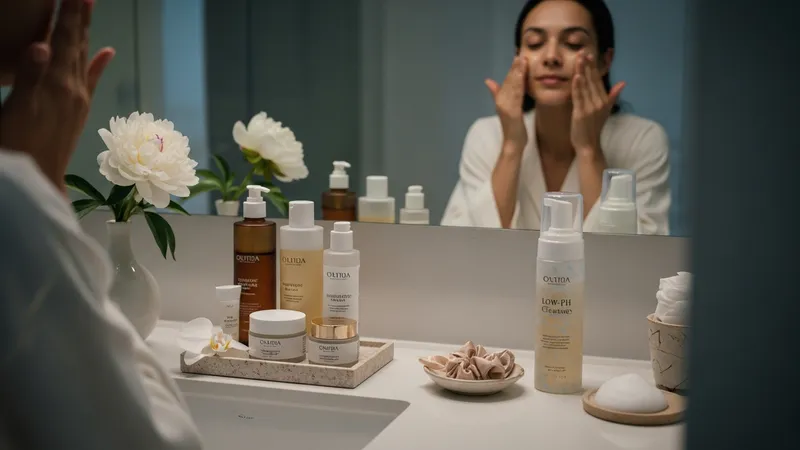
After the initial oil cleanse, a mild foaming or gel-based cleanser is usually applied as a second step. This cleanser is selected for its ability to remove water-based debris, such as sweat or fine particulate matter, without leaving the skin feeling stripped or overly tight. Many individuals choose low-pH cleansers in an effort to maintain the skin’s natural protective barrier, contributing to a balanced and resilient appearance.
The preference for multi-step cleansing reflects an understanding of how various environmental factors, like air pollution and cosmetics, may accumulate on the skin. Regular removal of these contaminants can support the effectiveness of anti-aging products applied later in the routine. Gentle cleansing methods also tend to minimize unintentional irritation, which can be important when caring for sensitive or maturing skin.
It is common for those following Korean anti-aging routines to adjust their cleansing methods depending on personal needs, seasonal weather changes, or specific lifestyle factors. For example, more substantial cleansing may be performed after heavy outdoor activity or exposure to urban pollution. However, over-cleansing can be avoided to prevent disrupting the natural oils that help maintain skin comfort. This mindful approach supports the overall philosophy of gradual care found throughout Korean skincare traditions.