
Korea And Cosmetics: Insights Into Industry Trends And Innovations

Regulatory and Market Dynamics in South Korea’s Cosmetics Industry
South Korea’s cosmetics industry operates within a regulatory framework designed to ensure product safety, ingredient transparency, and proper marketing practices. The Ministry of Food and Drug Safety (MFDS) is the primary regulatory body overseeing cosmetics approval, classification, and labeling. Compliance with the Cosmetics Act and related ordinances is mandatory for market entry and continued operations.
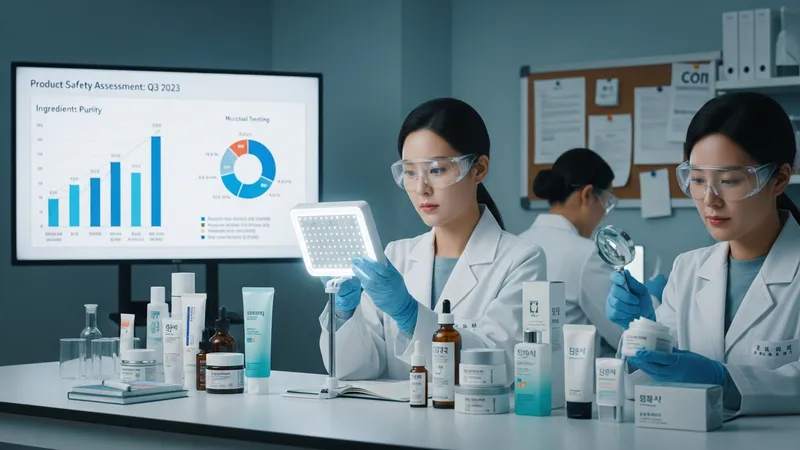
Labeling requirements typically include ingredient lists, usage instructions, manufacturing information, and expiration dates. Product claims must adhere to regulatory guidelines, particularly concerning efficacy statements, to avoid misleading consumers. Safety assessments and reporting mechanisms are in place to monitor adverse events associated with cosmetic use.
The competitive market landscape encourages companies to emphasize unique product characteristics while maintaining compliance. Market entry barriers may include quality standards, documentation submissions, and inspection procedures. Market data suggests that domestic firms hold a significant presence, while foreign brands often adapt product offerings to align with local preferences and regulations.
Marketing regulations also impact advertising content across traditional and digital channels. Transparency in consumer communication is emphasized to foster informed decision-making. Industry associations provide guidance and promote best practices to support compliance and innovation. Monitoring trends and regulatory updates are common activities among professionals within the sector.