
Knee Pain Treatment: Exploring Non-Surgical Options And Rehabilitation

Rehabilitation Modalities and Physiotherapy Practice in Saudi Arabia
Rehabilitation for knee pain in Saudi Arabia encompasses a range of physical therapy modalities and structured exercise programs. These typically include strength training, range of motion exercises, manual therapy, and neuromuscular education. The application of modalities such as ultrasound and electrotherapy is based on practitioner assessment and available evidence. These services are provided in both governmental and private clinical settings throughout the country, with program content often customized to meet each individual’s needs and functional goals.
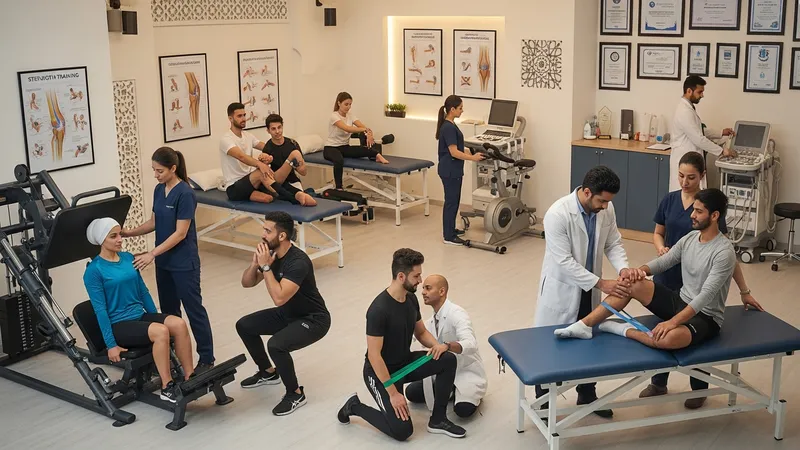
Educational workshops and certification programs, sometimes facilitated by universities and the Saudi Commission for Health Specialties, support ongoing professional development for physical therapists. Updated clinical guidelines ensure that therapists remain informed about recent advances in knee rehabilitation. Patient education is considered a core element of therapy delivery, equipping patients with movement strategies and self-management principles applicable to daily activities.
Rehabilitation timelines and intensity can differ depending on the etiology and chronicity of knee pain. Acute injuries may prompt a different protocol compared to chronic degenerative conditions, with therapists applying evidence-based progression criteria. These may include pain reduction, improved function, and gradual increase in physical activity according to locally accepted standards. Adherence to therapy plans has been identified in regional studies as a possible factor influencing rehabilitation success.
Data from research and audits in Saudi Arabia suggest that patient outcomes may be enhanced when rehabilitation is initiated early and delivered through individualized, goal-oriented programs. Collaboration between patients, therapists, and referring physicians helps support continuity of care. This integrated approach is pertinent in urban centers as well as more rural healthcare settings, adapting rehabilitation strategies to specific population groups.