
KiwiSaver And Other Retirement Plans: Key Features, Fees, And Investment Options Explained

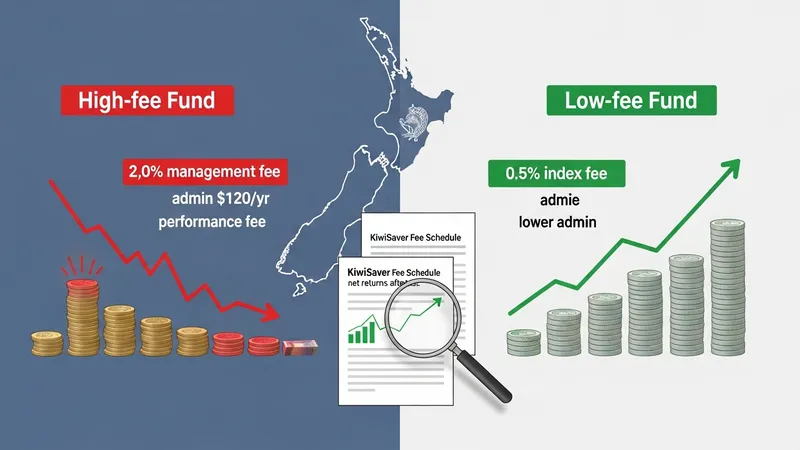
Fee models and cost components for KiwiSaver and other retirement plans
Fees for retirement plans in New Zealand generally include a mix of fixed and variable charges that can materially affect long-term balances. Common components are an administration fee charged either as a fixed amount per member each year or as a monthly fee, a member fee that may be fixed or tiered, and an asset-based management fee expressed as a percentage of the fund balance. Some funds may apply performance-linked charges or additional transaction fees. Fee disclosure requirements in the New Zealand market seek to improve comparability by requiring providers to publish clear fee schedules and annual fund performance net of fees.
Comparing fee impacts often involves looking at the total annual charge and its cumulative effect over decades. For example, two funds with similar returns before fees can exhibit materially different accumulation outcomes if one charges higher asset-based fees or additional fixed fees. Many KiwiSaver providers publish annual fund updates and key information documents that show net returns and fee breakdowns. Fee structures can vary by fund type too: funds investing in more complex assets or with active management may charge higher management fees than passive or index-tracking funds.
Administration efficiency and scale can influence fee levels. Larger providers or funds with substantial aggregated balances may be able to spread fixed costs across more members, often resulting in lower per-member fixed charges. Conversely, niche or boutique funds that offer specialised investment strategies may have higher relative fees. Members often consider the trade-off between expected net returns after fees and the particular investment approach, bearing in mind that higher fees do not necessarily correlate with better future performance.
Regulatory safeguards in New Zealand require transparent disclosure of fees and related-party transactions. Independent resources such as the Financial Markets Authority and consumer-facing sites like Sorted provide comparison tools and explanatory material to help members understand fee components. Reviewing fee schedules, member statements, and publicly available fund performance reporting may help members form a clearer picture of likely ongoing charges and their potential long-term effect.