
Job Portals And Career Services: How Online Platforms Support Job Search And Career Growth

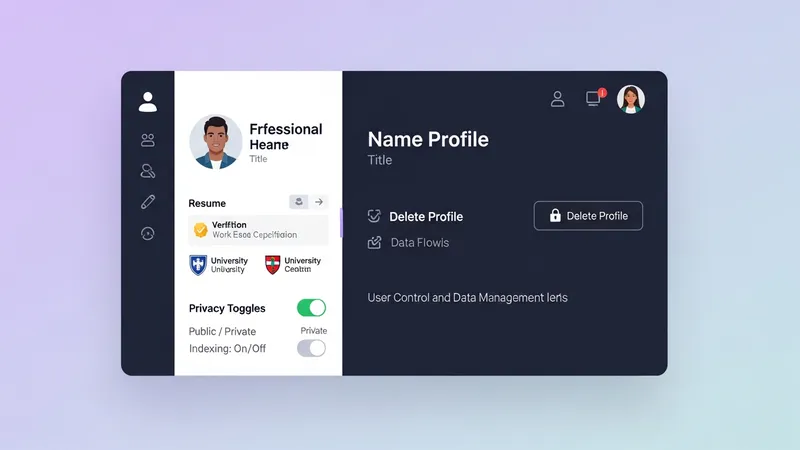
Data privacy, verification, and trust considerations within employment portals and career services
Privacy policies and consent mechanisms govern how personal data, resumes, and application records are stored and shared. Platforms vary in default visibility settings for profiles and in options to opt out of resume indexing by employers. Data retention, export, and deletion processes can affect a user’s ability to control personal information over time. Many platforms also describe how they handle third-party integrations and advertising. Awareness of these policies helps individuals manage exposure and align privacy preferences with their search and development needs without assuming universal defaults.
Verification and authenticity features address the reliability of credentials and profile claims. Verification mechanisms may include direct credential checks from educational providers, verified badges for completed assessments, or employer-initiated identity checks. While such mechanisms can add confidence, not all platforms apply the same verification standards, and the presence of a credential does not guarantee employer acceptance. Users and employers often treat verified elements as one component among several in evaluating suitability for a role or development pathway.
Trust-building practices on platforms can also include transparent employer profiles, company reviews, and documented hiring processes. Employer-provided information about team size, role responsibilities, and hiring timelines helps set expectations, while peer reviews and ratings may offer context about workplace culture. However, review content can be subjective and may not represent broad experience. Platforms that combine multiple sources of information can provide a more rounded picture, but users should consider the potential for selection bias and the limits of anecdotal feedback.
Security and fraud mitigation are additional considerations: platforms may implement measures to detect suspicious postings, automated scraping, or fraudulent recruitment schemes. Reporting mechanisms and moderation policies help manage problematic content, yet the effectiveness of these systems varies across providers. Being informed about common indicators of fraudulent listings and platform safeguards can reduce exposure to misleading communications, while platform-level detection tools may evolve continuously in response to emerging risks.