
Internet Bills: Insights Into Service Provider Billing Practices

Service Plan Components in Internet Provider Billing Practices
The core of most internet bills comprises recurring monthly service plan fees. Providers in the United States typically offer a variety of tiers based on connection type (such as fiber, cable, DSL, or wireless) and speed. For example, a basic DSL plan might be priced at the lower end of the monthly spectrum, while a high-speed fiber plan could be at the higher end. These service charges represent the agreed-upon cost for access to a set level of internet performance and data usage, and may vary across providers and regions.
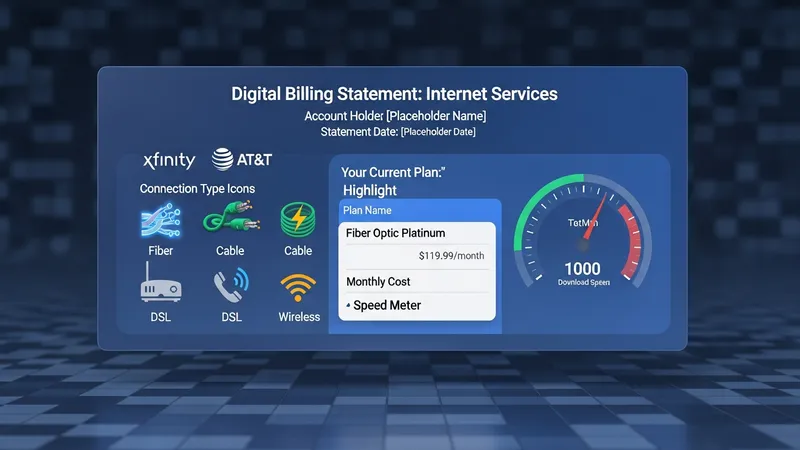
Some service plans incorporate data caps or speed throttling policies, especially with lower-priced options. When applicable, the bill will note if additional charges may be incurred for data consumption exceeding the included allowance. Most providers, such as Xfinity and AT&T, outline these terms on bills and supplemental documentation, improving transparency regarding potential overage costs.
Bill statements commonly include details about bundled services. In some cases, internet service is offered as part of a package with television or home phone services. Bundling may influence the monthly cost or create separate line items within the bill, clarifying which portion is attributable to internet connectivity. This helps users distinguish standalone pricing from value packages available from the same provider.
Terms for any promotional pricing or temporary discounts are also typically itemized on service plan portions of the bill. These offers, when available, are clearly marked with effective and expiration dates. Once promotional periods end, consumers can reference their bill to anticipate forthcoming changes in their monthly service charge, supporting informed financial planning.