
International Debit Cards: How Global Transactions Work

Security and Risk Management for International Debit Card Use
Security is a key concern when making global transactions with debit cards. Most issuers implement multifactor authentication, chip technology, and continuous transaction monitoring to help prevent unauthorized use. Notifications for international activity may be sent to the account holder by SMS or email, offering an early warning mechanism in case of suspicious transactions.
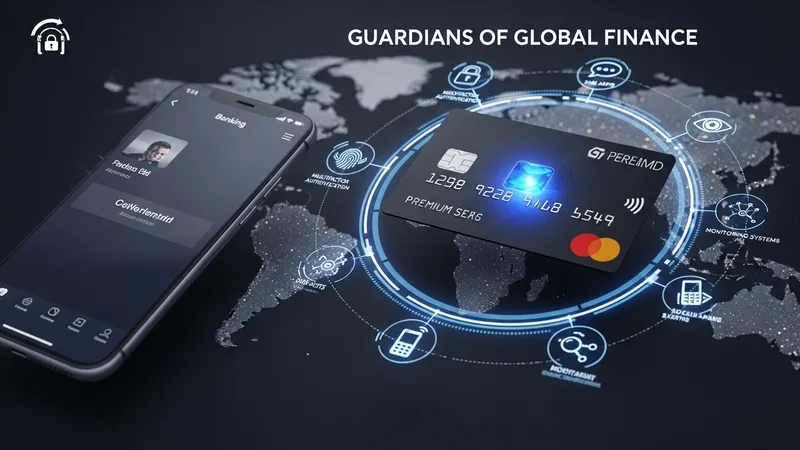
Many banks offer the ability to block or temporarily freeze cards through online banking portals or mobile applications. These features can be useful if a card is lost or suspected to be compromised abroad. It is typical for issuers to provide customers with access to emergency support services for lost or stolen cards, although access and procedures may differ between institutions.
Cardholder liability for unauthorized usage often depends on the speed of reporting a lost or stolen card and the issuer’s policy. Some banks cap liabilities provided prompt notice is given, but exact terms are usually outlined in the cardholder agreement. Users may benefit from reviewing these documents to understand protections and any potential limitations during international travel.
To manage risk, financial institutions engage in ongoing oversight and may adjust parameters such as spending limits or require additional authentication for foreign transactions. This proactive monitoring is designed to balance security with functional access, supporting safe use of debit cards in global contexts.