
Insurance For Senior Pets: Coverage Options And Considerations

Policy Structures and Plan Types for Senior Pet Insurance
Senior pet insurance in the United States is generally available through two main policy structures: accident-only and comprehensive (accident plus illness) plans. Accident-only insurance typically covers emergency care following injuries, such as fractures or lacerations, and is sometimes available to pets of any age, with fewer restrictions regarding pre-existing conditions.
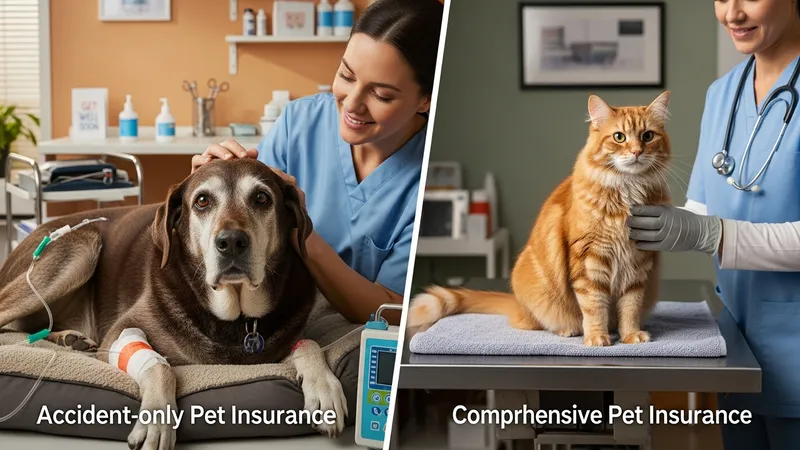
Comprehensive plans, by contrast, can offer broader protection, including coverage for chronic illnesses, diagnostic workups, and ongoing treatments frequently needed as pets grow older. These policies may also extend to hereditary and congenital conditions that senior pets often face, subject to the terms outlined in the individual plan documents.
Some providers also make wellness add-ons or standalone preventive care bundles available. These options can include coverage for annual screenings, vaccinations, and dental cleanings that are especially relevant for aging pets. It is common for these extras to be subject to separate premiums and benefit caps.
In the United States, eligibility for different policy types often hinges on the pet’s age at sign-up, with some insurers allowing open enrollment and others setting an age ceiling. Prospective policyholders typically benefit from reviewing each plan’s definition of “senior” and understanding which services and treatments are included versus excluded.