
Infrastructure As A Service: Integrating IaaS Into Hybrid Cloud Environments

Key Components of IaaS in Hybrid Cloud Integration
Hybrid cloud integration with IaaS involves several core components that contribute to the seamless operation of mixed IT environments. Networking is a foundational element, as organizations typically establish secure connections between on-premises systems and cloud resources using VPNs or dedicated lines. These connections allow for data transfer and resource sharing while supporting compliance requirements for privacy and security.
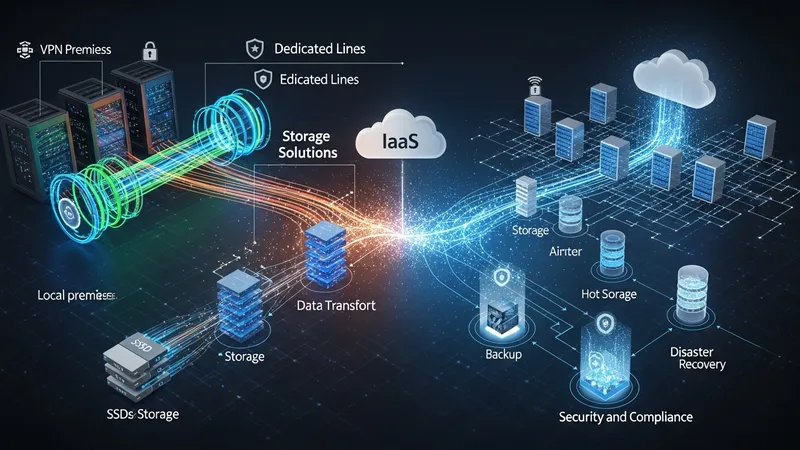
Storage solutions play a significant role in hybrid models. Many IaaS providers support hybrid storage architectures, enabling organizations to extend or replicate data from local systems to the cloud. This functionality may assist with backup, archiving, or disaster recovery strategies. Features such as tiered storage help optimize costs and performance by assigning data to the appropriate medium based on usage patterns.
Resource orchestration tools are another critical component in IaaS-driven hybrid environments. These platforms automate the provisioning and scaling of computing resources, making it easier to maintain service levels during changes in demand. For example, orchestration services may distribute workloads to either cloud or on-premises resources according to policies set by the organization.
Identity and access management ensures that users and applications can interact securely across both environments. Hybrid solutions often rely on integrated authentication systems and centralized user directories. This allows organizations to enforce unified access policies and monitor activities regardless of where resources are hosted.