
Information Security: Techniques And Methods For Protecting Data

Encryption Approaches within Information Security: Techniques and Methods for Protecting Data
Encryption converts readable data into a coded format so that unauthorized individuals cannot access its original content. In the United States, organizations frequently use symmetric encryption (such as AES) due to its speed and effectiveness for encrypting large volumes of data. Asymmetric encryption, like RSA, is applied where secure exchanges of encryption keys are needed, particularly in internet communications and secure emails.
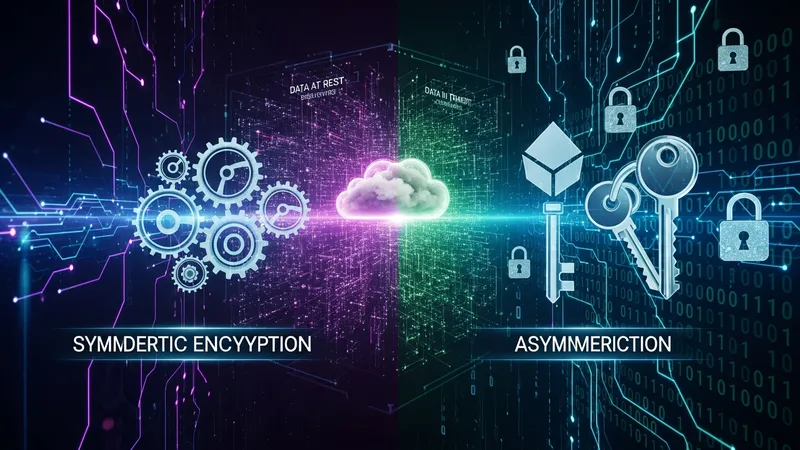
Organizations in regulated sectors, such as finance and healthcare, often apply encryption to both data at rest and data in transit. “Data at rest” refers to information stored on hard drives, databases, or cloud storage solutions, while “data in transit” covers content sent between devices or across networks. US law, including certain state privacy regulations, may require encryption in specific contexts to protect personally identifiable information.
Open-source tools (e.g., OpenSSL and VeraCrypt) are widely adopted in the United States due to their transparency and broad community support. Commercial solutions may offer additional usability or compliance features, but selection typically depends on the level of support needed, integration possibilities, and cost considerations. Careful key management is critical to maintaining encryption effectiveness and preserving data accessibility.
Encryption alone does not prevent data loss or unauthorized access if cryptographic keys or passwords are compromised. Organizations in the United States typically implement strict procedures for key storage, rotation, and recovery, recognizing that these measures are integral to a secure encryption strategy. Users may also encounter encryption in daily life through encrypted messaging platforms and secure websites (https).