
Industry-Specific B2B Software: Tailored Solutions For Unique Business Needs

Categories and Features of Industry-Specific B2B Software
Industry-focused B2B software can be grouped according to the specific operational areas they target within various sectors. Common categories include production management, compliance tracking, customer relations, and financial recording. Each category is shaped by the critical processes and standards relevant to the given industry, which influences the feature set developers integrate.
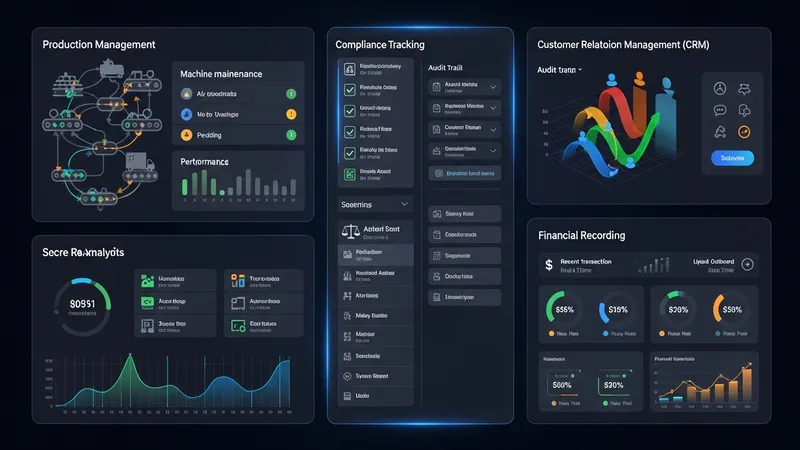
In manufacturing, for instance, software may encompass functionalities such as supply chain coordination, machine maintenance scheduling, and quality control tracking. These features reflect the sector’s emphasis on efficiency and product consistency. On the other hand, financial industry software often includes modules for transaction monitoring, audit trails, and risk assessment to adhere to strict regulatory requirements.
The logistics sector’s tailored software frequently prioritizes fleet management, shipment tracking, and route optimization, responding to the industry’s focus on timely deliveries and cost management. Retail-specific tools may focus more on inventory turnover rates, customer loyalty programs, and point-of-sale integration. Construction software solutions often emphasize project cost tracking, resource allocation, and compliance with safety regulations.
Such differentiation in feature coverage illustrates how these software categories align with industry-specific needs, potentially facilitating more efficient operations and reducing the need for additional third-party applications.