
Industrial Automation Systems: Key Components And Functions In Manufacturing

Safety, maintenance planning, and operational considerations for manufacturing automation
Functional safety is integral to many automation projects; systems may include safety-rated devices, redundant sensing, and defined safety states. Risk assessments inform the selection of safety functions and determine required response times and reliability levels. Safety-related controls are often architected separately from standard control logic, using dedicated hardware and software paths where certification or independent verification is needed. Documentation and periodic testing are typical aspects of maintaining safety compliance over time.
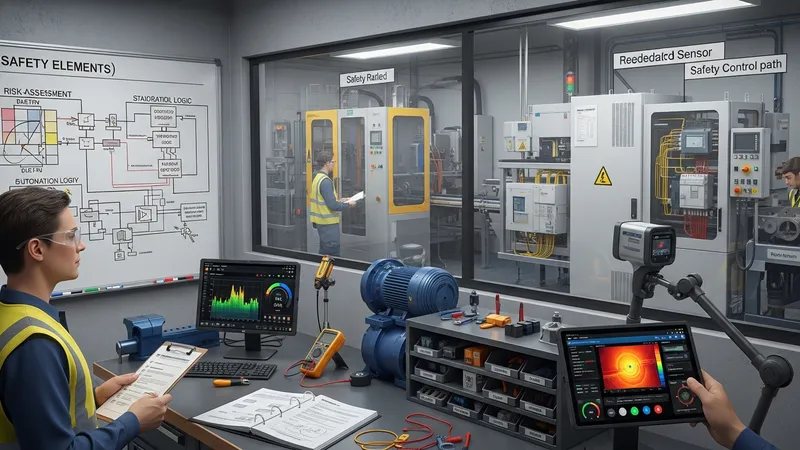
Maintenance strategies for automation equipment commonly range from scheduled preventive checks to condition-based and predictive approaches. Collecting vibration, temperature, and performance metrics can help identify degradation before failures occur. Predictive maintenance models may use historical trends and thresholds to estimate remaining useful life, though results typically depend on data quality and appropriate analytic models. Planning for spare components and clear troubleshooting procedures often reduces mean time to repair.
Operational practices, such as change control and operator training, influence system reliability. Formal procedures for software changes, hardware replacements, and production recipe updates commonly reduce the incidence of unintended disruptions. Training that covers both normal operation and safe response to alarms may improve operator effectiveness in uncommon conditions. Cross-training among maintenance, engineering, and operations staff can assist in faster diagnosis and recovery when issues arise.
Lifecycle planning addresses obsolescence, scalability, and total cost of ownership. Components may be selected with an eye toward long-term availability and vendor support, and architectures that permit incremental upgrades may reduce replacement risk. Regular reviews of system performance, combined with scheduled updates and documentation upkeep, typically support sustainable operation across the expected plant lifetime.