
Industrial Automation Solutions: Enhancing Efficiency Through Technology Integration

Process Optimization and Data Coordination in Industrial Automation Solutions
Automated data monitoring is a core advantage of integrated industrial automation. In Thailand, factories that implement networked sensors and data loggers often collect detailed operational metrics, such as temperature, pressure, or output rates. The ability to review trends over time may guide managers in identifying bottlenecks, planning preventive maintenance, or benchmarking production performance against sector standards. Data-driven coordination allows for more agile responses to changing market or regulatory conditions.
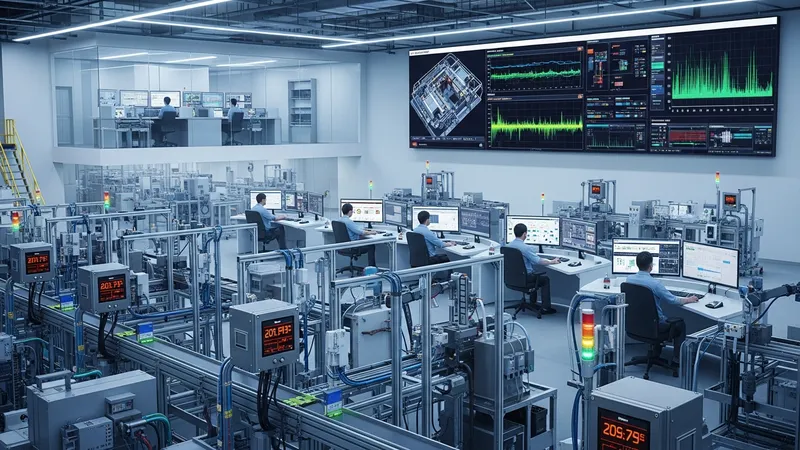
Centralized process control, typically achieved using PLCs or SCADA, enables Thai manufacturers to consolidate command over multiple production zones. Operators can exercise adaptive control—such as altering recipes, shifting batch sizes, or rerouting material flows—to match demand or respond to safety triggers. Centralization may also facilitate compliance with domestic industry regulations concerning traceability or process transparency, contributing to product consistency and regulatory reporting obligations.
Traceability mechanisms supported by automation platforms play a significant role, especially in sectors such as electronics and food processing, which are prominent in Thailand. By automatically logging production activities, equipment usage, and batch histories, it becomes possible to conduct efficient audits and address potential quality issues proactively. The use of real-time dashboards may further empower supervisory personnel to act on detected variances without delay.
The gradual rollout of interconnected automation components helps reduce project risks. In Thailand, phased integration strategies are commonly adopted to allow for thorough testing and to maintain continuity during upgrades. Support from local automation consultants or engineering firms can assist in system validation and operator training, promoting smooth adoption of new tools and workflows. This methodical approach aligns with broader national goals of industrial modernization as outlined in local digital economy plans.