
Indoor Air Quality Sensor: Key Metrics Measured And What They May Indicate

Deployment, placement, and calibration considerations for Indoor Air Quality Sensor
Proper placement can substantially influence measurement representativeness. Positioning a unit roughly at breathing zone height, away from direct airflow of HVAC supply vents and without immediate proximity to doors or windows, often yields readings that are more indicative of typical occupant exposure. Placing sensors near known or suspected sources may be useful for source identification rather than general monitoring. For larger rooms, multiple sampling points may be necessary to capture spatial variability. When conducting comparative assessments, maintaining consistent placement and environmental conditions across measurements supports more reliable comparisons.
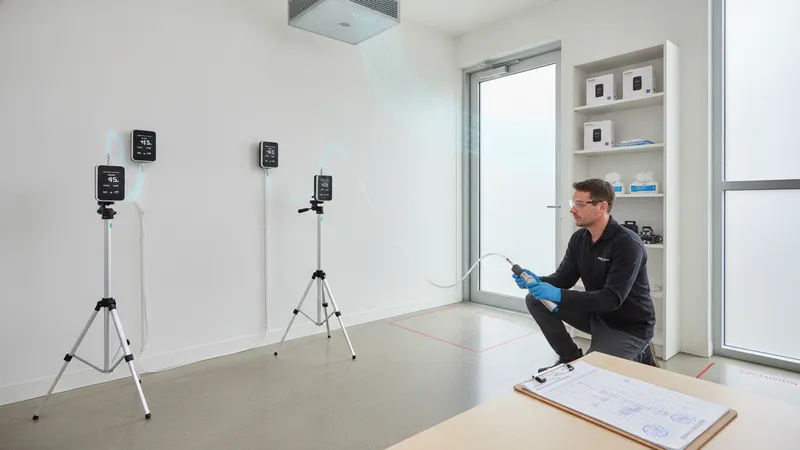
Calibration practices vary by sensor technology and intended use. Some devices include field calibration routines or reference gas ports, while others may rely on factory calibration with recommended verification intervals. For research-grade comparisons, periodic reference checks against a calibrated instrument are common practice. Drift, sensor aging, contamination, and environmental extremes can all alter response over time. Users often document calibration dates and any adjustments to maintain a history that supports interpretation of long-term trends and helps distinguish sensor changes from environmental changes.
Environmental factors can affect sensor reliability and should be considered during deployment. High humidity may impact optical measurements and some gas sensors; temperature extremes can shift baseline responses. Aerosol composition influences optical sizing and mass estimation, so conversions from counts to mass often rely on assumed particle densities and refractive indices that may not hold for all sources. Regular maintenance such as cleaning inlets and replacing filters or desiccants when specified can reduce measurement artifacts. Planning deployments with environmental constraints in mind helps improve data quality.
Documenting procedural context enhances the value of measurements. Recording occupancy, activities (cooking, cleaning, renovation), HVAC operation status, and outdoor conditions at sampling times allows later correlation and aids interpretation. For periodic assessments, consistent logging protocols support temporal comparisons. When evaluating intervention outcomes or building performance, paired before-and-after measurements under similar conditions are typically more informative than isolated snapshots. Readers may consider these deployment and calibration aspects as part of a systematic approach to generating useful and comparable data.