
House Investment In Ontario: Factors That Influence Long-Term Value

Property Condition and Upgrades Affecting Long-Term House Value in Ontario
The physical status of a residence in Ontario frequently serves as one of the first criteria in property appraisals. Aspects such as foundation integrity, roofing, plumbing, and electrical systems are commonly reviewed to determine whether a home meets provincial safety and building codes. Older homes that have not been retrofitted may be subject to compliance requirements that influence their value profile. Regular upkeep and compliant repairs are thus considered important for retaining or gradually increasing long-term value.
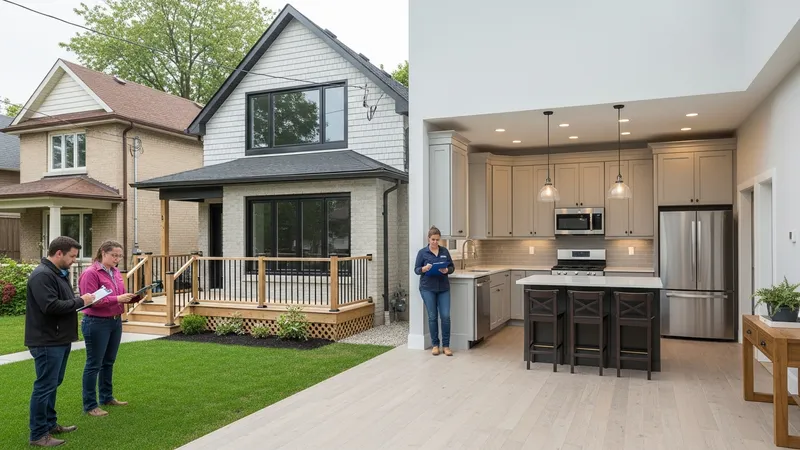
Renovations and updates, such as the addition of energy-efficient windows or modernized kitchens and bathrooms, are often discussed as factors that could positively affect the appeal and market value of Ontario homes. Cautious appraisers and municipal inspectors typically point to the importance of aligning any upgrades with local bylaws and obtaining necessary permits. This approach helps ensure that home improvements are recognized by official property assessments and potential buyers.
Aesthetics and curb appeal may also influence Ontario property value, though impacts can be subjective and vary by neighbourhood standards. Features like updated landscaping, well-maintained exteriors, and organized entrances often form part of comprehensive value assessments undertaken by the Municipal Property Assessment Corporation (MPAC) and other evaluators. While these elements may not guarantee significant increases in value, they can contribute to a property’s overall desirability and perceived market readiness.
Environmentally focused upgrades are increasingly considered by Ontario homeowners. Items such as improved insulation, high-efficiency furnaces, and upgraded windows may appeal to occupants seeking lower utility costs. Programs such as Save on Energy occasionally provide information about local incentives or requirements for such investments, though their direct impact on assessed value may vary depending on market context.