
Hospital Investments: Key Considerations And Potential Outcomes

Potential Outcomes and Long-Term Impacts of Hospital Investments
Hospital investments often aim to enhance clinical outcomes, patient experience, and operational efficiency. For instance, implementation of comprehensive EHR systems can improve care coordination and enable data-driven decision-making. Modernized facilities and equipment can support timely diagnosis and treatment, which may contribute to improved patient safety and satisfaction measures as reported in annual surveys by the Centers for Medicare & Medicaid Services (CMS).
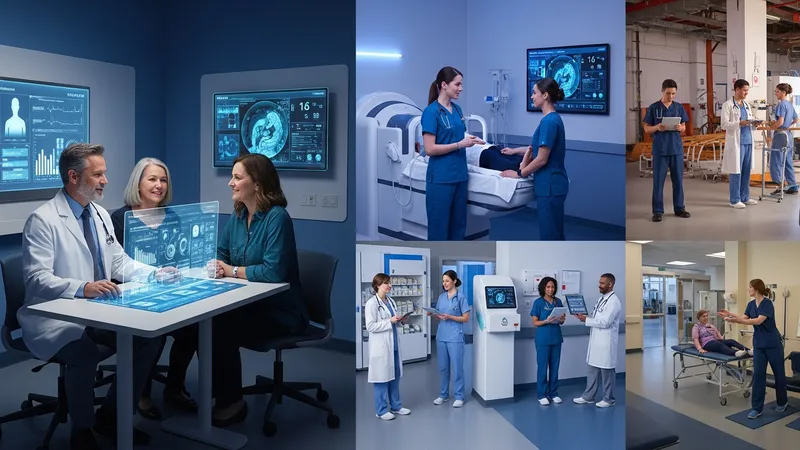
Job creation and workforce development are typical byproducts of hospital investments. Construction projects, technology upgrades, and expansion of service lines may lead to increased local employment opportunities and specialized training programs. Hospitals also report ancillary benefits to surrounding businesses and community services, as investments may attract further economic activity.
Long-term impacts are often evaluated through measures such as reductions in readmission rates, improvements in patient access, and facility accreditation outcomes. Hospitals may also monitor the cost-effectiveness of investments, considering whether resource allocation aligns with health system sustainability goals. Some projects may require periodic adjustments or reinvestment to maintain performance levels amid shifting challenges or technological changes.
While significant investments in hospital infrastructure and technology can support better service delivery, it is important to recognize that outcomes may vary based on context, project management, and external factors. Ongoing review and adaptation are regarded as important strategies. These approaches enable hospitals to respond to population health trends, regulatory changes, and emerging clinical practices within the United States healthcare system.