
Hospital Departments: Overview Of Specialized Services And Treatment Options

Trends and Innovations in Hospital Department Services
Recent advancements in medical technology and care delivery models have led to notable changes in hospital department services. The integration of digital health tools, such as remote patient monitoring and data analytics, is supporting earlier detection of complications and more personalized treatment approaches. Departments like cardiology and oncology increasingly use genomic data to guide targeted therapies. Similarly, pediatrics and geriatric units are piloting adaptive care strategies designed to enhance long-term wellness and quality of life through tailored interventions based on ongoing assessments.
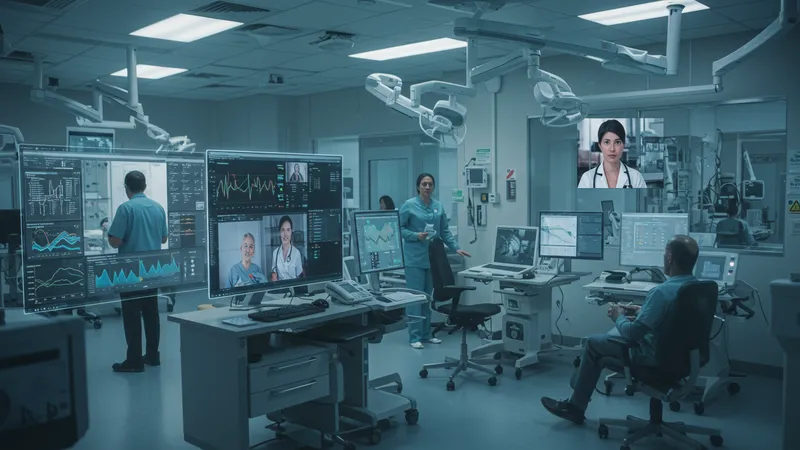
Telemedicine platforms are being incorporated across many departments, enabling remote consultation, follow-up, and care planning. Psychiatry and primary care teams have been early adopters, with growing evidence suggesting this approach may enhance accessibility, especially in geographically dispersed or underserved regions. In addition to easing physical access, telemedicine can facilitate closer monitoring of patients, potentially reducing unnecessary readmissions and supporting timely medication adjustments or other interventions decided collaboratively between departments.
Process innovations such as care pathways or multidisciplinary rounds are designed to coordinate input from multiple hospital departments. For instance, surgery, anesthesia, and internal medicine teams may partner on perioperative assessments to minimize risk and streamline recovery. Standardized communication tools and electronic records support these processes, reducing miscommunication and enabling more consistent application of evidence-based guidelines for complex conditions, like cancer or autoimmune disorders.
Looking ahead, the adoption of artificial intelligence, predictive analytics, and virtual reality training is likely to influence how hospital departments organize and deliver specialized services. These tools may assist in patient triage, resource allocation, and continuous professional development. Hospitals will likely assess new developments for safety and efficacy before widespread implementation, with ongoing monitoring ensuring alignment with established clinical standards and patient-centered care models.