
Hong Kong Commodity Markets: Key Features, Structure, And Trading Mechanisms

Commodity Segments, Contract Standards, and Price Discovery in Hong Kong Commodity Markets: Key Features, Structure, and Trading Mechanisms
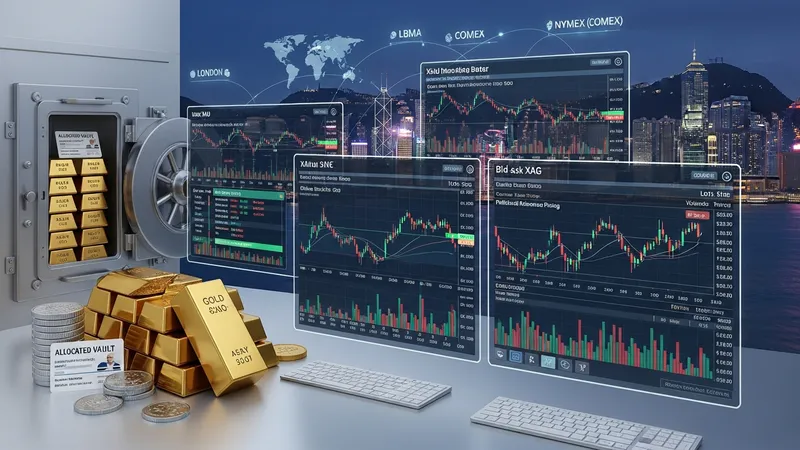
Major commodity segments traded or referenced in Hong Kong markets include precious metals (notably gold and silver), commodity-linked exchange-traded products, and derivatives that reference international commodity benchmarks. Contract standards for listed instruments typically specify lot sizes, delivery months, tick sizes, and settlement methods. For precious metals, local practices may reference assaying standards and allocated vault storage arrangements governed by bodies like the CGSE and local custodians.
Price discovery in Hong Kong often depends on the interaction between local listed products and relevant international benchmarks. Exchange-traded instruments provide continuous intraday pricing that may reflect both regional demand and global commodity movements. Market liquidity and quoted spreads can vary across trading sessions, and participants commonly monitor both intraday order book depth and published reference prices issued by exchanges or approved pricing sources.
Contract design choices can influence market participation and usage. For example, smaller lot sizes and electronic accessibility tend to attract a broader set of participants, while larger contract sizes may primarily serve institutional hedgers. In Hong Kong, listing sponsors and product issuers collaborate with exchange and regulatory bodies to ensure contract terms are clear for market participants and that documentation reflects delivery, margining, and settlement conventions customary in the local market.
Operational considerations for those engaging with Hong Kong commodity markets commonly include understanding custody arrangements for physical delivery, reconciling position records with clearing members, and keeping abreast of exchange circulars that modify contract specifications or operational timetables. These practical elements shape how price signals are translated into executed trades and how market participants manage exposures within the established Hong Kong framework.