
Home Window Replacement Financing: Key Options For Managing Project Costs

Eligibility, underwriting factors, and credit considerations
Lenders and financing programs commonly assess borrower capacity through credit score, income documentation, existing debt levels, and, for secured products, property value. Credit scores may influence both approval and interest rate tiers, with higher scores often qualifying for lower nominal rates. For secured loans, loan-to-value (LTV) ratios and outstanding mortgage balances typically factor into underwriting. Some vendor-based programs may use alternative underwriting criteria that emphasize purchase amount and point-of-sale approval rather than traditional home equity metrics.
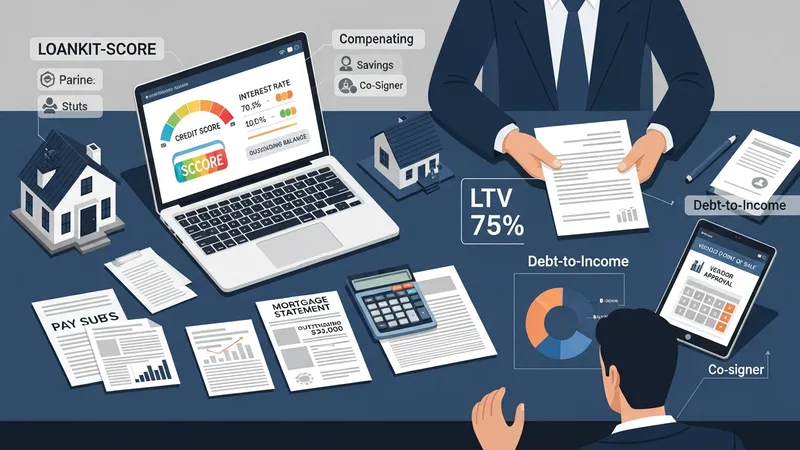
Income verification and debt-to-income ratios are frequent underwriting elements. Lenders may require pay stubs, tax returns, or bank statements to verify consistent repayment ability. Debt-to-income calculations typically compare recurring debt obligations to documented income, which may influence maximum allowable loan sizes or expected repayment terms. For borrowers with variable income, some products may be less accessible or may include compensating factors in underwriting assessments.
Credit-building or risk-mitigation strategies may affect eligibility and terms but should be viewed as considerations rather than prescriptions. Examples include reducing outstanding revolving balances before applying, addressing inaccuracies on credit reports, or choosing higher down-payment contributions to lower financed amounts. However, outcomes vary by lender and program, and such approaches may take time to affect approval odds and pricing.
Collateral and title requirements for secured products often introduce process steps beyond credit checks. Home equity instruments may require property valuation and clear title; these steps can extend closing timelines and add appraisal or closing fees. Understanding these procedural elements in advance may help align project scheduling and reduce the chance of financing-related delays during installation or permitting stages.