
Home Value: Understanding How Market Trends May Affect Your Estimate

Appraisal Methods and Their Impact on Value Estimates
The method chosen to estimate a property’s value can affect both the reliability and perceived marketability of a home in Mexico. Professional appraisers generally follow standardized procedures, considering physical property characteristics, location, and recent comparable sales in the area. These reports are often required for mortgage applications or legal matters, ensuring they meet the standards set by organizations like the Colegio Nacional de Valuadores.
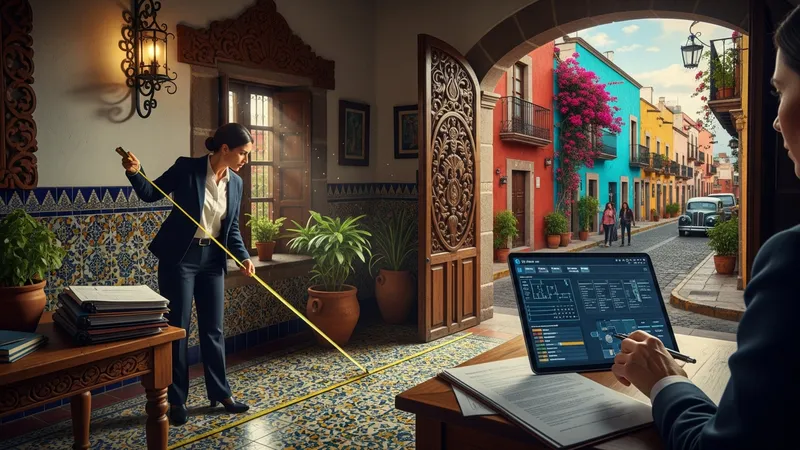
Online valuation tools are increasingly popular, providing quick estimates based on publicly available sales data, trends, and algorithms. While convenient, their results may be influenced by data completeness and frequency of updates. Properties in less active markets or with unique characteristics might not be accurately represented by these tools, making them more suitable for preliminary assessments rather than definitive valuations.
Real estate agents’ comparative analyses offer another perspective by drawing on recent transactions in a specific neighborhood. Agents may consider current listings, days on the market, and sales history to create an estimate that reflects local market conditions. In Mexico, agents often rely on information from industry databases or collaborations with peers to improve the precision of their analyses.
Each technique has strengths and limitations. Professional appraisals tend to be more thorough but involve a higher cost and a longer timeframe. Online tools are rapid but may not include all market nuances. Agent analyses are typically situational, providing context-specific insights. Combining these approaches may offer a more rounded view of potential value shifts in a dynamic real estate environment.