
Home Pest Removal: Practical Methods For Managing Common Household Pests

Prevention, sanitation, and entry-point control strategies for household pests
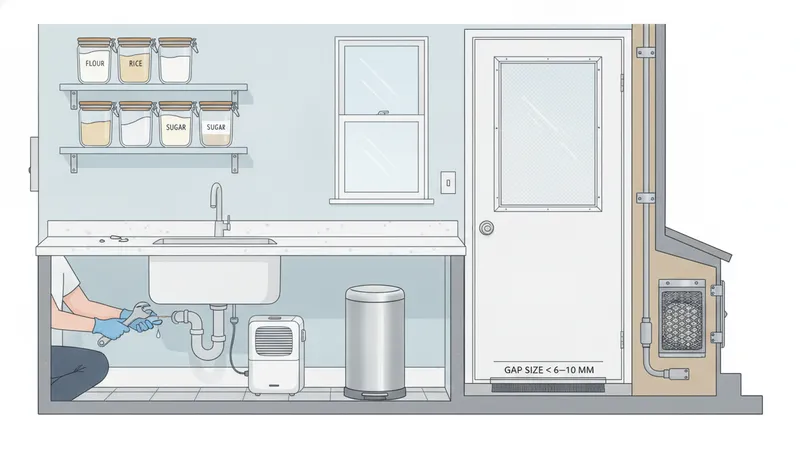
Preventive measures often focus on reducing the resources pests need: food, water, and shelter. Routine sanitation steps such as promptly cleaning food residues, storing dry goods in rigid containers, and managing garbage can reduce attractants. Addressing moisture sources—fixing leaks, ensuring adequate ventilation, and using dehumidifiers where appropriate—can make interiors less hospitable to many pests. These actions typically complement any direct control measures and may reduce the frequency of interventions needed.
Entry-point control targets the ways pests move from exterior to interior. Close-fitting door sweeps, repaired window and vent screens, and sealed utility penetrations reduce ingress opportunities. For rodents, sealing gaps larger than about 6–10 mm may be necessary depending on species, while insects may exploit smaller openings. Materials for exclusion can include silicone or polyurethane sealants, metal flashing, or appropriately sized mesh; the choice often depends on the location and expected wear.
Landscaping and exterior maintenance also influence indoor pest pressure. Vegetation that contacts the building can create bridges for crawling insects and provide harborage for rodents. Maintaining a perimeter free of debris, storing firewood away from the structure, and reducing standing water near foundations can lower the likelihood of introductions. These landscape adjustments are preventive in nature and may take time to change pest dynamics.
Behavioral and organizational practices contribute to sustained prevention. Simple routines—such as inspecting incoming groceries, rotating pantry items, and promptly dealing with food spills—may limit opportunities for stored-product pests. Regularly scheduled checks of attics, crawlspaces, and around appliances can identify conditions that favour pests before populations become large. Combining these habits with physical exclusion often yields more durable reductions in pest encounters.