
Home Pest Removal: Practical Methods For Managing Common Household Pests

Managing insects, rodents, and other common household pests typically involves identifying the species present, assessing the extent of activity, and applying a mix of targeted measures to reduce populations and limit damage. Practical in-home approaches emphasize observation, containment, and the use of physical, biological, or chemical tools where appropriate. Householders often combine short-term actions (for immediate reduction of visible pests) with longer-term adjustments to the environment that reduce attractants and harborage.
Effective domestic pest control generally relies on an evidence-based sequence: detect, evaluate, act, and monitor. Detection may include visual signs, droppings, or damage patterns; evaluation considers factors such as infestation size, locations affected, and potential risks to occupants or non-target animals. Actions can range from non-chemical options like exclusion and traps to targeted products designed for consumer use. Monitoring after intervention helps determine whether further steps or different methods may be required.
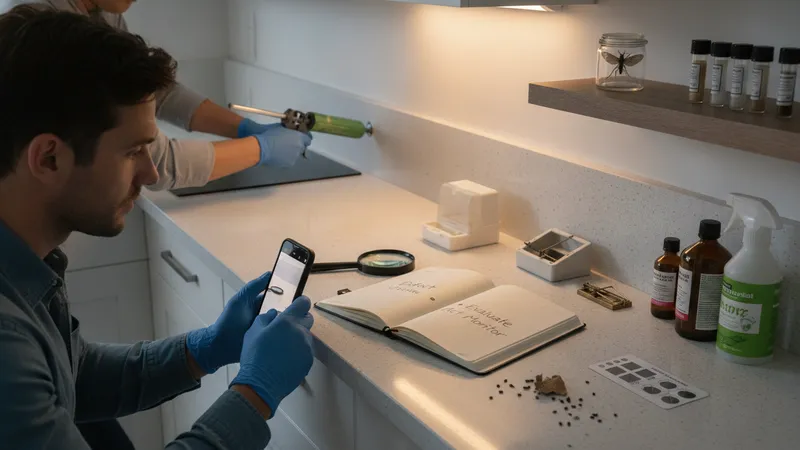
- Integrated Pest Management (IPM): A planning framework that combines inspection, threshold-based decisions, non-chemical controls, and selective treatments; often used to guide long-term management rather than single-product fixes.
- Mechanical controls and barriers: Physical tools such as snap or live traps for rodents, glue boards for insects in certain locations, and door sweeps or mesh screens to block entry points.
- Consumer-use baits and contact products: Formulations designed for residential settings, including bait stations for ants and rodents and spot-treatment insecticides; these are typically applied by occupants or technicians according to label instructions.
An IPM approach may often start with low-risk measures that reduce pest access to food, water, and shelter. For example, sealing cracks, storing food in rigid containers, and reducing clutter can make environments less hospitable. Where thresholds of concern are exceeded—such as visible damage to structural elements or sustained health-related exposures—selective treatment options may be introduced. The intent of a measured sequence is to minimize unnecessary product use while addressing the specific behaviours and biology of the pest species involved.
Mechanical controls and barriers often serve as both immediate and preventive tools. Traps can reduce small local populations while also providing diagnostic information about species and activity levels. Barriers such as screens, door sweeps, and mesh over vents can limit entry pathways, which may reduce recolonization pressure. These methods typically require periodic inspection and maintenance to remain effective and are most useful when combined with sanitation and habitat modification.
Consumer-use baits and contact products vary in formulation and mode of action; labels and regulatory guidance usually specify appropriate application areas, frequency, and safety precautions. For many homeowners, baits placed within tamper-resistant stations can reduce non-target exposure compared with loose formulations. Contact products applied to cracks, crevices, or localized areas may reduce active populations, but their effectiveness often depends on correct identification of target sites and timing relative to pest life stages.
Selecting among methods typically involves balancing effectiveness against potential risks and practicality. Factors that often influence choices include the pest species’ biology, site access, presence of children or pets, and tolerance for visible trapping or control devices. Home maintenance actions such as repairing leaks, improving ventilation, and managing landscaping may complement direct controls and reduce the need for repeated treatments. Record-keeping of observations and interventions can help refine strategies over time.
In summary, managing household pests commonly involves a coordinated set of actions that start with identification and inspection, proceed through targeted interventions, and include follow-up monitoring. Approaches may combine physical barriers, traps, and selective product use within an overarching framework that seeks to limit unnecessary applications. The next sections examine practical components and considerations in more detail.