
Home Improvement Grants: Assessing Potential Energy Efficiency Upgrades

Implementation and Policy Context for Energy Efficiency Grants
Home improvement grants for energy efficiency frequently operate within a framework of national and local policies aimed at reducing carbon emissions and addressing fuel poverty. In the United Kingdom, such schemes have evolved over time, with various government programs and energy supplier obligations contributing to the funding landscape. Understanding the policy context can clarify the rationale behind grant eligibility and scope.
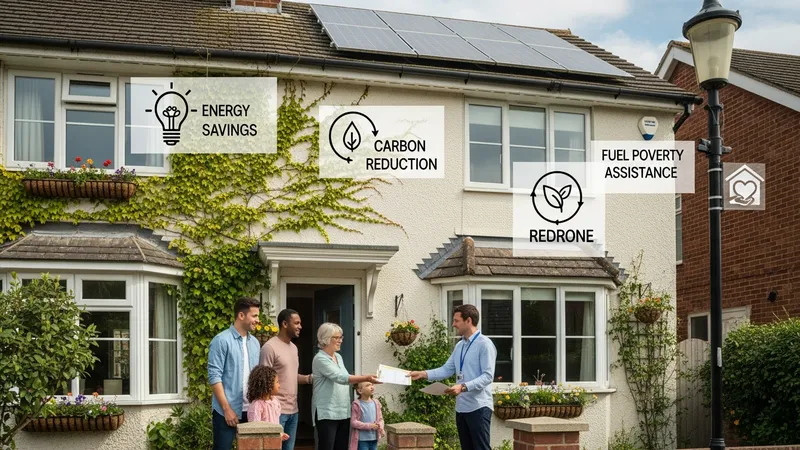
Programmes such as the Green Homes Grant (now closed) or the Energy Company Obligation (ECO) have focused on increasing uptake of energy-saving measures among eligible households. These initiatives typically prioritize low-income or vulnerable populations and target specific upgrade categories. Grant availability and amount may fluctuate in line with budgetary allocations and environmental targets set by central government.
Local authorities and housing associations sometimes administer supplementary schemes aimed at improving social housing stock and supporting residents within their jurisdictions. These local programs may work alongside national initiatives to provide wider coverage or address specific regional needs. Reporting and measurement requirements help track the effectiveness of funded improvements and inform policy adjustments over time.
The alignment of home improvement grants with carbon reduction strategies and energy efficiency standards contributes to wider environmental objectives. Selection criteria for supported improvements often reflect evidence-based impacts on energy consumption and emissions. However, practical considerations such as installer availability, supply chain dynamics, and household acceptance also influence the success of grant-supported upgrades.