
Home Health Agency Liability Insurance: Key Coverages And Risk Considerations

Cost Factors, Policy Limits, and Exclusions in Home Health Agency Liability Insurance
Premium calculations usually reflect several measurable inputs: payroll or revenue size, mix of clinical services, number of patient encounters, historical claims frequency, and geographic footprint. In the United States, rates may also be influenced by state-level claim litigation patterns and regulatory expectations. For example, states with higher average medical malpractice payouts may result in higher premiums for professional liability policies for similar service profiles.
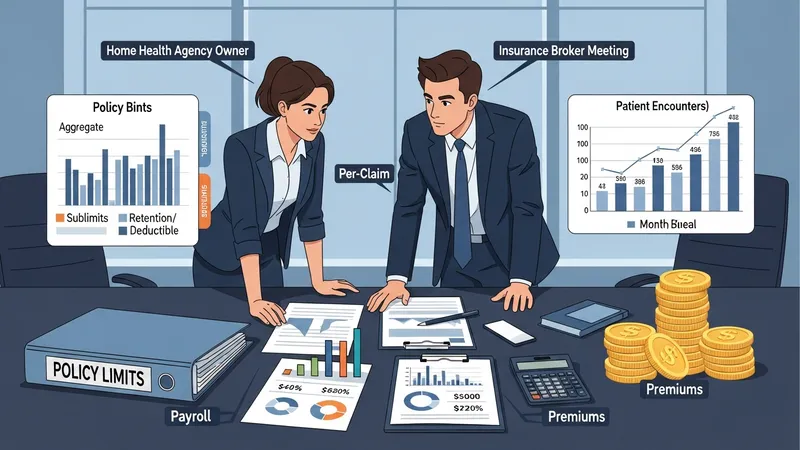
Policy limits and retention choices shape how much risk an agency retains versus transfers to the insurer. Higher limits reduce the risk of policy exhaustion in severe claims but often increase premium costs. Agencies commonly review aggregate limits, per-claim limits, and sublimits (for specific exposures such as privacy breaches) to ensure that their program aligns with potential exposure size and contractual obligations to payors or referral entities.
Common exclusions can materially change protection scope. Typical exclusions involve intentional acts, certain regulatory fines or penalties, and services provided outside the scope of licensure. Cyber exclusions or limitations may apply where basic security controls are absent. Agencies should review exclusions with a licensed insurance professional and legal counsel to identify whether specific operations require endorsements or separate policies to close gaps.
Premium mitigation measures that insurers may consider include written policies, staff training records, incident-response plans, and use of electronic health record safeguards. Demonstrated compliance with state licensing standards, routine background checks, and documentation audits may influence underwriting decisions and pricing. These considerations are typically presented as factors rather than guarantees of rate reduction.