
Home Estimate: Understanding The Valuation Process Step By Step

Considerations and Limitations of the Home Estimate Process
The process of estimating a home’s value comes with inherent limitations, regardless of method or expertise involved. Automated valuation models, while efficient and widely accessible, typically depend on data that may not fully reflect recent upgrades, unique design features, or emerging neighborhood trends. This can result in broad valuation ranges, particularly in areas where property attributes vary more than average or where recent transaction data is sparse.
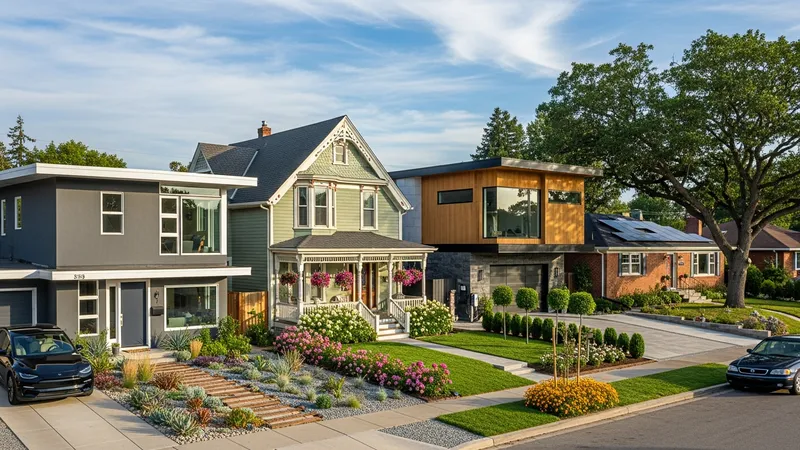
Comparative market analyses rely on selecting the most similar and recent sales for benchmarking. This approach works well in markets with steady activity and homogeneous housing stock, but may prove less informative for custom properties or those located in rapidly changing neighborhoods. The potential for subjective judgment—such as assessing overall property condition or adjusting for unique amenities—may introduce variation between different analysts conducting CMAs.
Professional appraisals are generally regarded as robust due to regulatory oversight and detailed methodology. However, their conclusions can still be influenced by appraiser experience, interpretation of guidelines, or evolving local standards. Timing is another limitation; valuations reflect market conditions at a specific point, and changes in external factors (such as shifts in demand or interest rates) may alter value perceptions in a short period.
Overall, home estimates should be understood as reference points built on the best available information and widely accepted analytical approaches. They offer informational value for real estate planning, but actual transaction outcomes can differ due to negotiation dynamics and shifting market forces. Awareness of these limitations helps property stakeholders interpret home estimates as practical tools rather than guarantees of realized market price.