
Home Equity Loan: Financing Options For Home Repairs

Repayment Structures and Cost Factors in Home Equity Loans for Repairs
Repayment terms for home equity loans used for repairs are typically determined at the onset of the loan agreement. Standard options include fixed repayment periods between five and thirty years, during which both principal and interest are repaid in equal monthly installments. Fixed-rate loans generally offer predictable payments, which may assist homeowners in budgeting for home-related expenditures over the life of the loan.
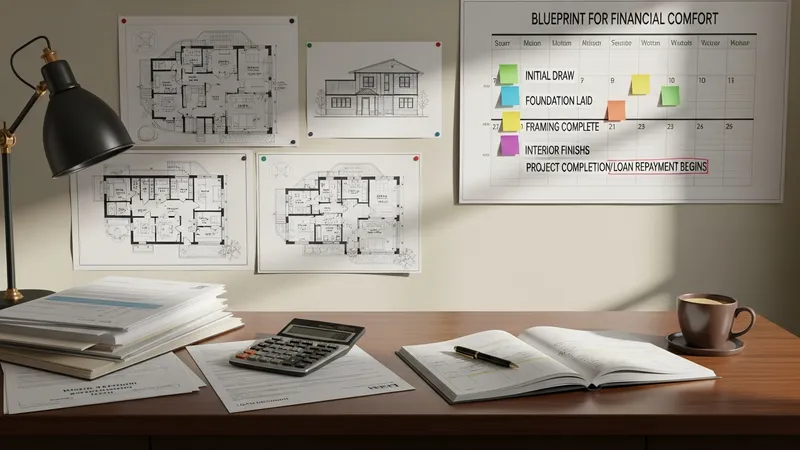
For home equity lines of credit, repayment is divided into two phases: the initial draw period and the subsequent repayment period. During the draw phase, borrowers may make interest-only payments on the distributed funds, which could help manage cash flow in the early stages of a renovation project. When the draw period concludes, the repayment phase commences, requiring monthly payments that cover both principal and interest. This structure results in increased payments following the end of the draw phase.
Loan costs can encompass interest, origination fees, points, appraisal charges, and other administrative expenses. Most lenders disclose these costs during the application process. Interest rates for home equity loans in the United States can vary based on prevailing economic conditions, the borrower’s creditworthiness, and the lender’s criteria. Variable-rate options may carry the potential for payment fluctuations, while fixed rates provide greater stability.
Failure to meet repayment obligations can place the property at risk of foreclosure, since the home acts as collateral. Borrowers are generally encouraged to evaluate their budget and long-term financial goals prior to finalizing an agreement. The next page explores responsible approaches to using home equity loans for repair and improvement projects.