
Home Cleaning: Key Strategies For A Consistently Tidy Living Space

Room-by-room approaches for a consistently tidy living space
Room-focused approaches often allocate specific tasks and storage solutions per space to match function. For kitchens, the emphasis is typically on food safety, clearing countertops, and regular appliance maintenance. In bathrooms, routine tasks may include surface sanitation and ventilation checks to limit moisture buildup. Bedrooms often prioritize clothing storage and daily bed tidying to preserve a calm environment. Living areas may focus on managing textiles and visible clutter to maintain usability for shared activities.
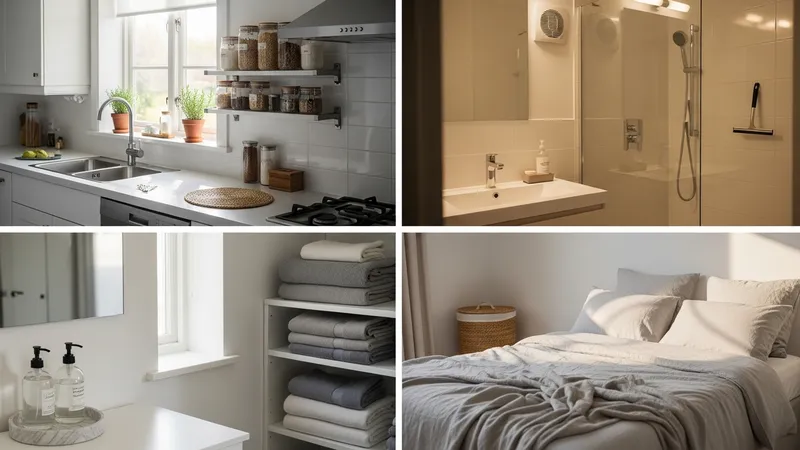
Adapting techniques to each room can make routines more efficient. For example, kitchens may benefit from clearing and wiping surfaces after meal preparation, while bathrooms may use quick squeegees or wipes to reduce soap scum accumulation. Bedrooms can use simple routines like placing laundry in a designated basket each evening. These room-specific adjustments may reduce the frequency of intensive cleaning while keeping functional areas ready for use.
Storage placement is a common room-level consideration. In kitchens, storing frequently used utensils in accessible drawers reduces countertop clutter. In living rooms, consolidating small items into single containers can simplify tidying. In multi-use rooms, flexible storage such as rolling carts or stackable bins may be helpful for switching functions. The suitability of storage formats often depends on available space and how people in the household typically use each room.
Room-by-room plans may also consider safety and maintenance items, such as ensuring vents are unobstructed and that cleaning products are stored securely away from children or pets. Regularly reviewing room routines — perhaps seasonally — can help households adapt storage and cleaning tasks to changing needs, such as shifts in occupancy or lifestyle. These reviews often serve as practical checkpoints rather than one-time overhauls.