
Home Buying Process: Understanding The Stages Of Purchasing A Home

Conveyancing, Legal Checks, and Valuation in the UK Home Buying Process
Conveyancing is a critical legal component of the property buying process in the UK. Solicitors or licensed conveyancers carry out searches, verify property ownership, and check for legal restrictions. These professionals review contracts to confirm details such as boundaries, covenants, and rights of way, which can influence future use of the property. Legal representatives often communicate directly with sellers’ solicitors and the buyer’s mortgage lender to coordinate a smooth transaction.
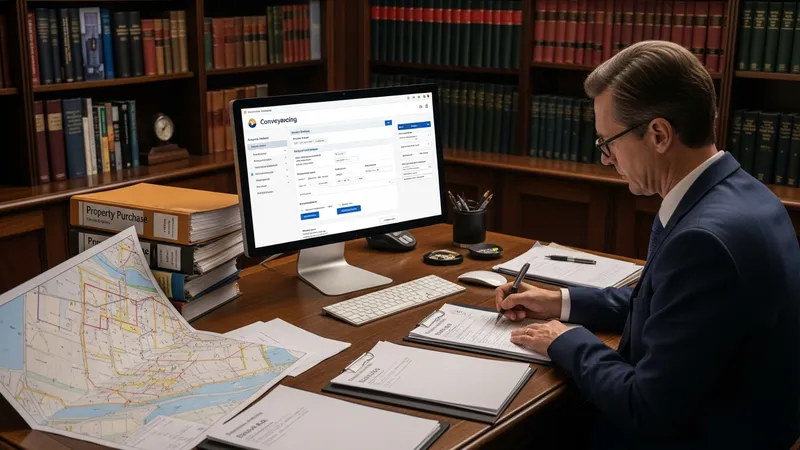
Required legal checks may include ‘local authority searches,’ which look into planning permissions, land charges, and environmental factors affecting the property. Water and drainage searches and chancel repair liability checks are other common types performed during conveyancing. The cost of these searches in the UK can typically range from £250 to £450, depending on the location and complexity of the findings.
Simultaneously, UK mortgage lenders arrange an independent property valuation to confirm that the agreed sale price reflects the property’s market value. This valuation is primarily for the benefit of the lender, ensuring the property can serve as secure collateral for the mortgage. Valuation fees can range from £150 to £1,500 based on property size and value, though some lenders may include this service free of charge with certain mortgage products.
Surveying is a separate, buyer-initiated process which can identify potential structural issues or defects. While not mandatory, many UK buyers choose to commission a survey for personal reassurance. Options include a Condition Report, HomeBuyer Report, or full Building Survey, with costs typically ranging from £250 to over £600. The findings may inform further negotiation with the seller if significant repairs or concerns are identified.