
Home Buying Process: Key Steps And Considerations In The U.S. Real Estate Market

The home buying process is a structured approach that individuals often follow when seeking to purchase residential property in the United States. This process typically encompasses several sequential steps, each with unique requirements, documentation, and considerations. Buyers are encouraged to gather information, assess financial capacity, evaluate different property types, and interact with various industry professionals during these stages. While the process may appear linear, it can be influenced by individual circumstances, market conditions, and legal requirements.
Key considerations in the home buying process include evaluating personal financial stability, understanding the types of available properties, arranging suitable financing, and complying with all legal and regulatory steps. Each stage is designed to support informed decision-making, mitigate risks, and facilitate a satisfactory transaction for both buyers and sellers. External factors such as the local housing market, interest rates, and regulatory changes may also impact these steps.
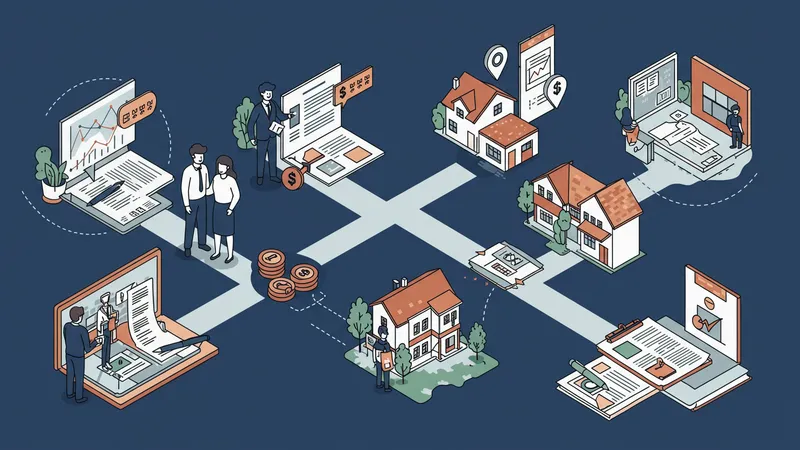
- Mortgage Pre-Approval: Obtaining initial lender assessment to estimate borrowing potential. This stage may involve submitting income, debt, and credit information. Typically, buyers use pre-approval to narrow their home search and demonstrate seriousness to sellers.
- Selecting a Real Estate Agent: Engaging a licensed professional who can assist with property searches, price negotiation, and document management. Agents generally earn a commission, often between 2% to 3% of the sale price, payable upon successful transaction closing.
- Home Search and Offer: Buyers examine market listings, attend showings, and make written offers on suitable properties. The offer stage includes terms such as price, contingencies, and timeframes for acceptance.
- Home Inspection: A professional evaluation of the property’s condition can identify maintenance or safety concerns. Inspections typically cost between $300 and $500, depending on location and property size.
- Finalizing Mortgage and Closing: Once an offer is accepted, buyers finalize their mortgage documents with a lender. The closing process includes signing the purchase contract, settling costs such as taxes and fees, and officially transferring home ownership.
These process components are selected to represent the most commonly referenced and legally significant steps in the U.S. home buying journey; stages may be completed in varying sequences depending on region or specific buyer needs.
Financial preparation is a significant aspect, as lenders often require credit checks, employment verification, and comprehensive documentation. Different mortgage types, such as fixed-rate or adjustable-rate loans, offer various terms that can influence long-term financial commitments. Potential buyers may benefit from understanding these options in advance.
The property search phase can include research into neighborhood trends, school districts, and local amenities. Buyers may also evaluate resale potential or unique home features according to personal preferences. Market trends, like fluctuations in housing inventory or typical selling times, often play a role in shaping buyer decisions.
Legal documentation is crucial during home purchase transactions. Purchase agreements, disclosure forms, and closing statements require careful review to ensure compliance and understanding. Buyers are encouraged to work closely with qualified professionals to navigate contract conditions and local legal requirements.
Closing processes often involve coordination between buyers, sellers, agents, and third-party professionals like title companies and inspectors. The timeline from accepted offer to completed transaction may vary, but final steps generally include funding the mortgage and transferring title. Understanding these logistics can help buyers better anticipate scheduling and costs.
In summary, the home buying process may involve multiple structured steps, each with its own considerations and paperwork. Prospective buyers can approach the process more effectively by remaining aware of financial, legal, and practical components. The next sections examine practical components and considerations in more detail.