
Home Automation Systems: How Smart Technology Manages Everyday Tasks

Home Automation Device Categories and Integration Methods
Home automation devices in the United States are generally grouped into several categories: environmental controls (such as thermostats and lighting), security systems (cameras, sensors, locks), and entertainment (media controllers, smart speakers). These categories reflect the diverse needs and preferences of homeowners aiming to enhance or automate different facets of their daily routines.
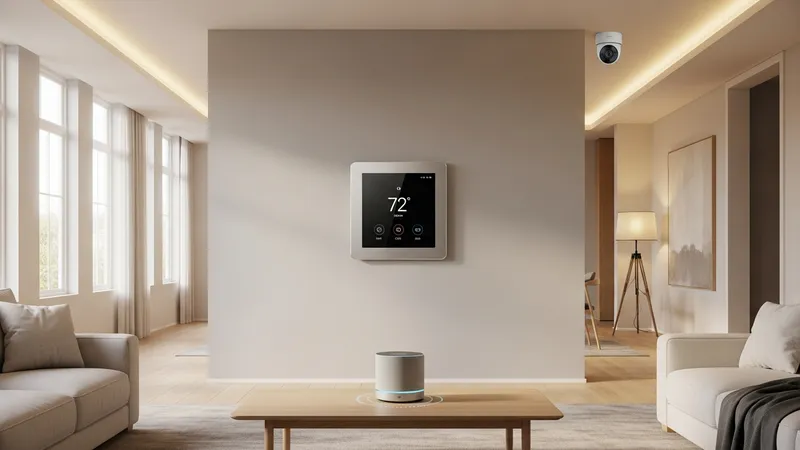
Integration methods can range from simple plug-and-play devices to more complex systems involving wired connections and professional installation. Wireless technologies dominate the U.S. market, with Wi-Fi, Zigbee, and Z-Wave being widely implemented for communication between sensors, hubs, and end-user devices. This supports flexibility in placement and future expansion.
Multi-device integration is often facilitated through platforms or ecosystems that act as intermediaries, allowing disparate products to communicate effectively. For instance, a homeowner in the United States might use a central hub or compatible mobile app to synchronize their smart locks, thermostats, and cameras, setting routines that link security modes to climate adjustments or lighting changes.
Over the past decade, many new products have been released with enhanced integration capabilities, including support for Matter, an interoperability standard adopted by several U.S. manufacturers. This trend may enable broader device compatibility and simpler onboarding, making it easier for homeowners to build comprehensive systems tailored to their evolving needs.