
High-Speed Internet Options: Key Factors To Consider When Choosing A Plan

Features, in-home networking, and reliability considerations
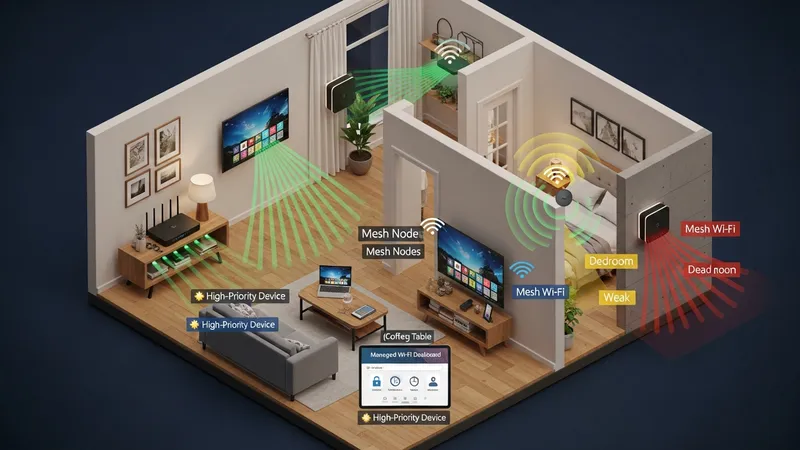
Plan features and in-home networking interplay significantly with perceived internet quality. Wireless coverage within a home depends on router placement, building materials, and device density; therefore, assessing whether a provider’s supplied gateway includes modern Wi‑Fi standards or whether separate mesh systems may be needed is relevant. Some plans bundle additional features like managed Wi‑Fi, parental controls, or security services; others leave these as optional extras. Considering which features are functionally necessary versus optional helps align expectations for the overall user experience.
Reliability metrics such as historical uptime in a region, redundancy options, and local infrastructure resilience can affect a plan’s suitability for critical uses. For scenarios that require high availability—such as remote work or home-based services—assessing whether alternatives like secondary wireless links or battery-backed gateways are practical considerations can be informative. These are not prescriptions but factual considerations that households may weigh depending on how they prioritize continuous connectivity versus cost and complexity.
Latency-sensitive applications can be affected by the provider’s routing and peering arrangements. The number of intermediary network hops and the quality of backbone connections influence round-trip times. For users concerned about real-time performance, examining independent latency reports or community feedback on routing to common services can offer insight. Such technical observations should be interpreted cautiously and in light of local network conditions rather than as definitive predictors of experience.
Maintenance, firmware update policies, and security practices are additional technical dimensions to review. Providers may push firmware updates to managed devices or require specific configurations for certain features. Understanding how updates are applied and whether customers retain administrative control of in-home equipment can factor into decisions about privacy, security, and long-term device management. Treat these operational points as factual inputs to a comprehensive comparison of plan options.