
High-End Electronics: Insights Into Smart Home Integration

Key Features in High-End Smart Home Integration
Feature sets offered by smart home platforms in Saudi Arabia may vary, but typically include centralized device management, automation rules, and remote monitoring. Central hubs like the stc Smart Home Hub aim to unify various components, such as lighting controls, security alarms, and entertainment systems, providing residents with a single interface for adjustments and status checks. Compatibility with both local and international brands may enable households to expand their systems as technologies progress.
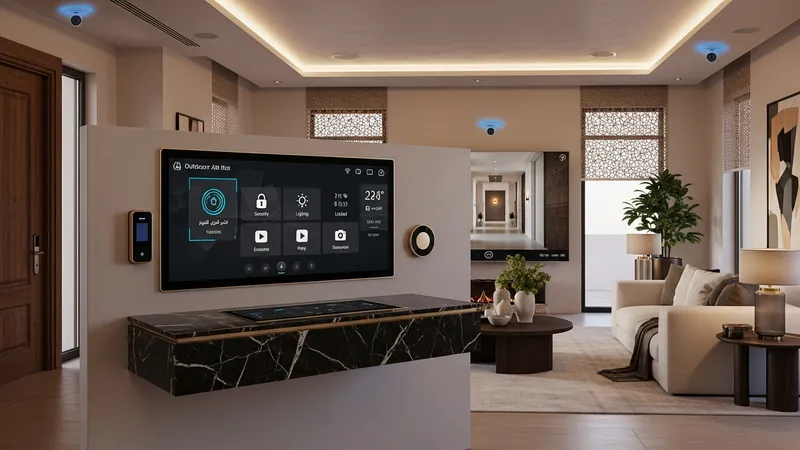
Security is often a primary concern for residents adopting home integration. Common features include automated locks, surveillance cameras, motion sensors, and alarm notifications delivered via mobile applications. Solutions such as Ejada Smart Solutions integrate these aspects, supporting layered approaches to property safety and allowing homeowners to adjust settings based on time of day or occupancy.
Energy management functions, such as scheduling appliances and monitoring consumption, are becoming increasingly relevant as Saudi Arabia prioritizes resource efficiency. Platforms can provide real-time data on usage patterns, inspiring adjustments that may lead to cost savings over time. HiHome Automation System, among others, offers modules specifically designed for climate control and automated window treatments to support efficient cooling and lighting.
Customization options within high-end setups are extensive. Residents can program routines or scenarios—for example, having lights gradually illuminate at dusk, or air conditioning adjust based on occupancy. Advanced systems typically integrate voice recognition and AI-based control, further streamlining the user experience. Such personalization attempts to balance practical needs with the technological ambitions of Saudi households.