
Heating Solutions: Exploring Systems For Residential And Commercial Spaces

System Types and Applications in Heating Solutions
Heating solutions can be distinguished by system type, such as central versus localized systems. Central systems, like forced-air furnaces or boilers, distribute heat throughout an entire building, whereas localized devices, such as space heaters, serve individual rooms or zones. The system type may depend on the property’s size, intended use, and occupancy patterns, as each approach carries unique performance and maintenance factors.
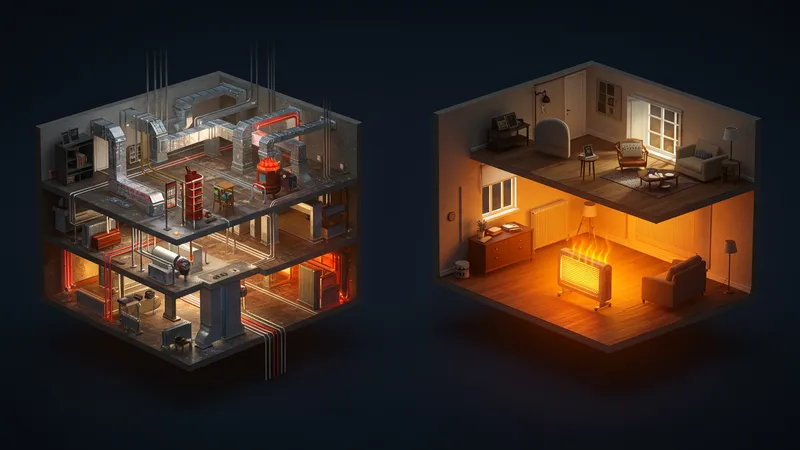
In residential contexts, central heating systems often provide more uniform temperature control and can be integrated with air conditioning or filtration technology. Localized solutions may be considered for small apartments or rooms that experience infrequent use. For commercial spaces, central systems are typically selected to allow for scalable management and ensure regulatory compliance across larger square footages.
Industrial and commercial settings may incorporate specialized heating systems like rooftop units, unit heaters, or even infrared heaters. These systems might be designed to address specific needs, such as rapid temperature changes in manufacturing environments or targeted heating in large, open warehouses. The choice of system in these cases usually considers cost effectiveness, maintenance accessibility, and temperature zoning capacity.
Recent years have seen increased attention toward multi-source and hybrid heating systems. These combine two or more heating technologies—like pairing a traditional furnace with a heat pump—to optimize energy usage during different weather conditions. Hybrid systems can switch between energy sources based on real-time operating costs or efficiency, which may benefit settings with variable temperature demands.