
Health Insurance: Key Differences Between Private And Public Coverage

Coverage Structures in Private and Public Health Insurance
Private health insurance typically structures its offerings around tiered plans, each with its own network of providers, cost-sharing arrangements, and covered services. Plan holders may encounter Preferred Provider Organizations (PPOs), Health Maintenance Organizations (HMOs), or exclusive provider organizations, each influencing how and where care is accessed. Higher-tiered private plans may offer broader provider networks or reduced out-of-pocket expenses, but premiums often increase accordingly. The variety available allows individuals to tailor coverage; however, plan complexity and network limitations are possible considerations.
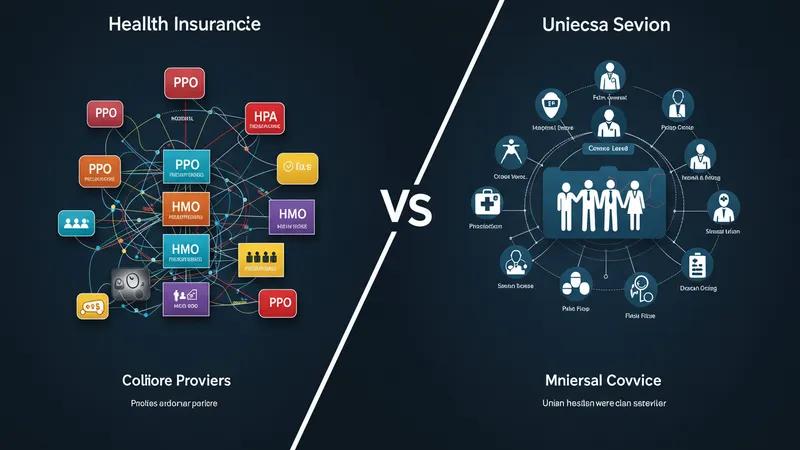
Public health insurance systems generally use defined benefits that apply uniformly to all eligible participants within each program. For example, coverage for core services like hospital care, physician visits, and certain prescription drugs is often mandated. Benefits can be subject to updates as policy and budget priorities evolve. In some jurisdictions, public insurance may restrict service access to specific providers or facilities, potentially resulting in waiting lists for high-demand procedures. Universal participation tends to be a goal, but actual access may depend on regional implementation and system funding.
Hybrid health insurance models may adopt structures that standardize a core set of publicly funded services, while permitting additional privately funded benefits. For instance, individuals may rely on public plans for hospital and physician services but purchase private insurance for dental, vision, or other supplemental needs. These hybrid arrangements require administrative coordination to eliminate duplication and ensure seamless access across coverage types. Such structures may help manage public sector costs while enabling private market innovation.
The distinctions in structure between private and public insurance models are shaped by underlying policy objectives and available resources. Private insurance systems often prioritize consumer choice and service responsiveness, while public systems aim for equity and accessibility. In hybrid contexts, clear communication and regulatory guidance help consumers understand the interaction between multiple sources of coverage. These elements collectively influence how individuals experience health insurance in practical terms.