
Hair Transplants: Key Considerations And Process Overview In Turkey

Hair transplantation involves transferring hair follicles from denser areas, typically the back or sides of the scalp, to regions experiencing thinning or hair loss. This procedure is often sought by individuals looking to address pattern hair loss, which is common in both men and women. Over the past decade, Turkey has been recognized as a major center for this type of cosmetic procedure due to the concentration of clinics offering specialized techniques and packages that attract patients from different countries, including the United Kingdom.
Understanding how hair transplantation works may require familiarity with two primary methods: Follicular Unit Extraction (FUE) and Follicular Unit Transplantation (FUT). Both methods rely on the precise relocation of healthy hair follicles and can be adapted to suit individual needs. The decision to undergo a hair transplant involves several factors, such as personal hair loss patterns, realistic expectations, and the potential for multiple treatment sessions. The landscape in Turkey is shaped by clinics that commonly group medical, accommodation, and translation services to appeal to international visitors.
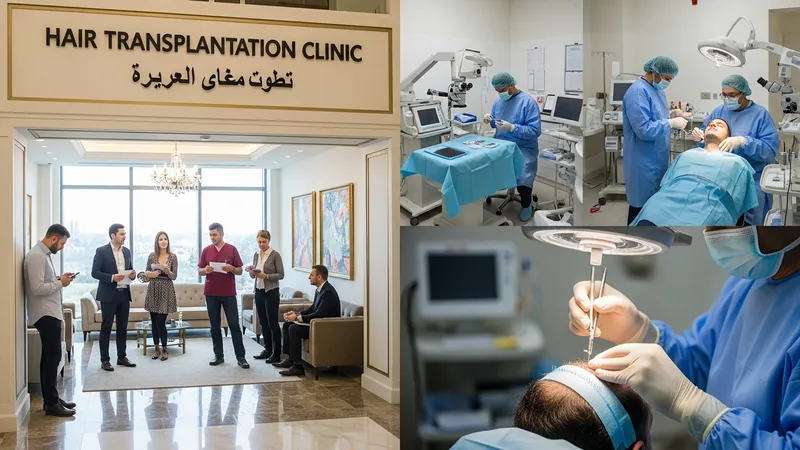
- Follicular Unit Extraction (FUE): A modern approach in which individual hair follicles are manually extracted and transplanted to target areas. Procedures in Turkey utilizing FUE may start at approximately £1,500–£3,500 based on the clinic and number of grafts. More details can be found at the NHS Guide on Hair Transplants.
- Follicular Unit Transplantation (FUT): A strip harvesting method in which a section of scalp is removed for follicle dissection and redistribution. FUT is less commonly requested in Turkey compared to FUE, with typical price ranges between £1,200–£2,700. Reference: BAAPS Hair Transplantation.
- All-Inclusive Packages for UK Patients: Many Turkish clinics arrange packages that may feature procedure fees, hotel accommodation, airport transfers, and language support. These can range from about £1,500 to over £4,000 depending on services included and number of grafts. Informational resource: UK Government Advice: Health in Turkey.
The popularity of Turkey as a destination for this procedure can be attributed to the presence of skilled practitioners and the streamlined nature of bundled service offerings. These often include pre-operative assessments, postoperative care guidance, as well as logistical support, such as transportation and accommodation—features that may particularly benefit patients traveling from the United Kingdom. Individual clinics typically adhere to local and international standards of hygiene and patient safety, though confirming accreditations remains a key step prior to selection.
For those based in the United Kingdom, Turkey offers a range of options that may not always be available domestically—particularly all-inclusive solutions that cater to international patients. Packages commonly account for language considerations and provide coordinators to ease communication. Nonetheless, it is important to consider potential travel factors, such as follow-up care arrangements and the availability of emergency medical support after returning home.
When evaluating hair restoration procedures, understanding the long-term implications and required maintenance can offer a realistic view of anticipated results. The transplanted follicles typically behave in a manner similar to their origin, which may promote sustained hair growth; however, supplementary procedures or treatments could sometimes be necessary to maintain appearance. Recovery times may vary and can depend on individual lifestyle, health, and adherence to postoperative care instructions.
Patients in the United Kingdom commonly seek neutral information about procedure safety, practitioner experience, and facility accreditations before electing to travel to Turkey. While the country has become recognized as a global hub for hair transplantation, careful research into service providers, terms of all-inclusive packages, and post-treatment logistics remains a considered approach. Certification by relevant Turkish and international regulatory authorities is typically a minimum standard for clinic selection.
In summary, hair transplantation in Turkey has evolved to serve an international audience, with the United Kingdom as one of the major sources of international patients. The next sections examine practical components and considerations in more detail.