
Green Technologies: Advancements In Sustainable Solutions For The Environment

Categories and Examples of Green Technologies in Switzerland
Green technologies implemented in Switzerland span multiple categories. Renewable energy remains a focal area, especially due to the country’s extensive hydroelectric infrastructure. Additionally, solar installations on public buildings and private residences have been expanding in recent years, contributing to decentralized energy generation and broader access to clean power sources.
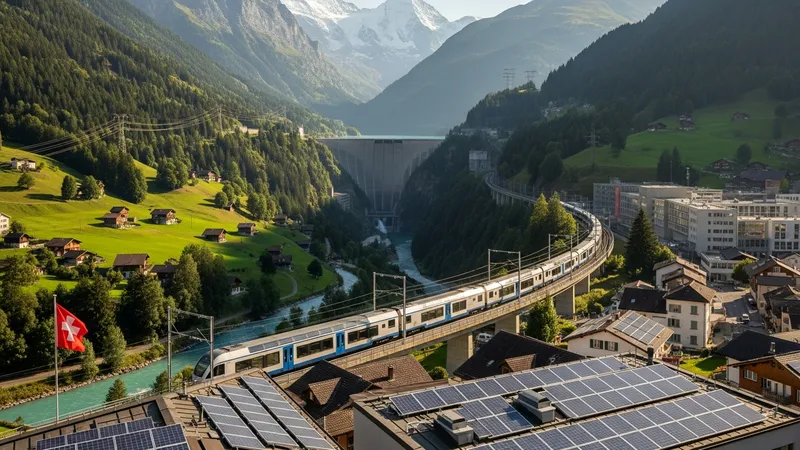
Energy-efficient transportation systems are widely utilized, with rail networks and public buses increasingly powered by electricity or hybrid systems. Switzerland continues to invest in electric vehicle charging infrastructure, facilitating greater adoption of electric mobility options. These efforts may reduce carbon emissions associated with passenger and freight transport.
Waste management and the circular economy also play a significant role in Swiss green technology initiatives. Systems are in place to sort, recycle, and reprocess materials such as glass, metals, plastics, and organic waste. The combination of strict regulatory oversight and public participation often supports progress in reducing landfill contributions and improving the lifecycle of consumer goods.
Smart grid technology is another area of development, allowing for efficient monitoring, load balancing, and integration of variable renewable energy sources. Companies and public agencies are collaborating on pilot programs that use digital platforms to autonomously adjust consumption, thereby better matching supply and demand in real time.