
Green Energy Incentives: Overview Of Available Programs And Eligibility

Policy Objectives and Strategic Role of Green Energy Programs
The overarching policy goals behind Dutch green energy incentives are closely linked to national and EU climate targets. These programs are designed to lower carbon emissions, boost the share of renewables in the national energy mix, and stimulate technological innovation. By supporting early adoption and helping address market barriers, incentives play a critical role in accelerating the Netherlands’ transition to a low-carbon economy.
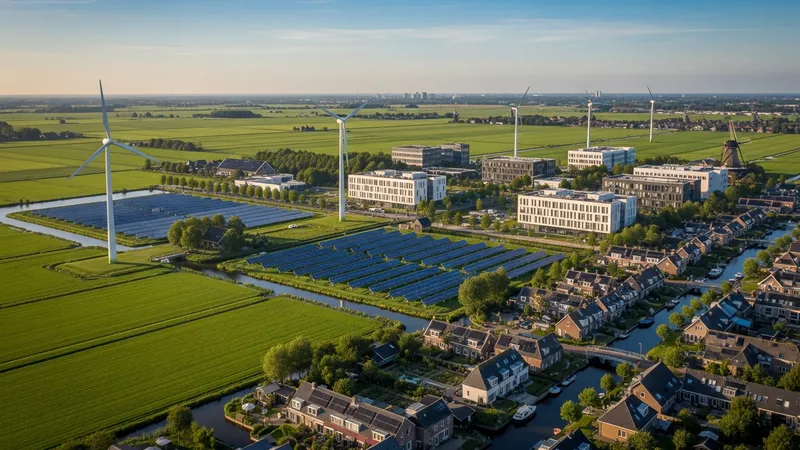
Integration with the Netherlands’ broader climate policy is a defining characteristic of these incentives. Initiatives such as the SDE++ are aligned with long-term commitments to EU directives and Paris Agreement obligations. These frameworks incorporate feedback mechanisms, annual reviews, and flexible adaptation to new priorities, allowing for alignment with overall energy strategy. Coordination also extends to the regional level, involving municipalities and other public bodies.
From a strategic perspective, these programs serve to build local expertise and supply chains for green technologies. Investments channeled through incentives aim to stimulate domestic research, innovation, and workforce development, thereby strengthening the national position in the renewable energy sector. Such outcomes can also have broader economic implications, resulting in new services, technology exports, and local project development.
Measuring program effectiveness forms a key part of policy design. The Dutch government often monitors outcomes using publicly accessible data on renewable capacity deployed, emissions reductions, and funds distributed. This commitment to transparency supports long-term planning and adjustment, ensuring that green energy incentives contribute meaningfully to sustainability and remain accountable to public priorities.