
Green Energy Incentives: Overview Of Available Programs And Eligibility

Types of Incentives in Dutch Green Energy Programs
Green energy incentives in the Netherlands tend to be categorized into three primary types: direct subsidies, tax deductions, and investment support. Each framework serves a different segment of renewable energy adoption and is governed by rules linked to technology type, investment value, and intended sustainability outcomes. These distinctions allow the government to tailor support mechanisms effectively according to sector and technology maturity. For example, direct subsidies such as those under ISDE are typically suited for one-off renewable purchases by homeowners, while larger projects often rely on broader schemes such as SDE++.
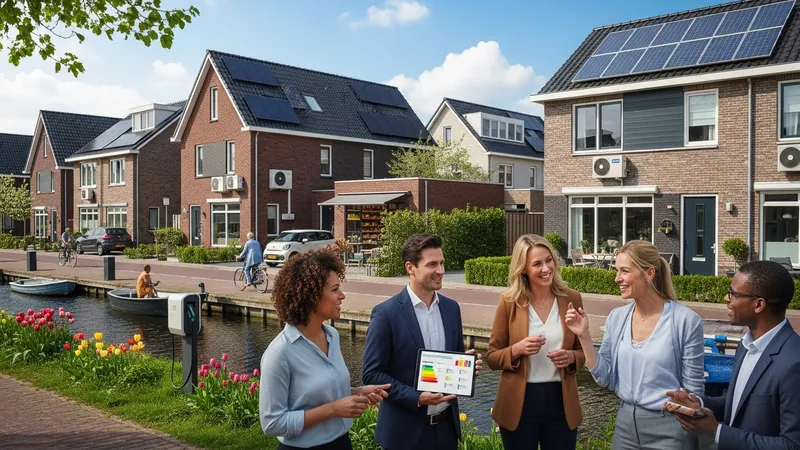
Direct subsidy programs like ISDE are frequently applied to encourage residential and small-scale commercial installations. Such initiatives offer financial contributions—generally fixed per device or capacity—which may cover a portion of costs for items like heat pumps or solar water heaters. Because these incentives are structured to lower initial investment barriers, they can substantially increase the number of installations in participating sectors.
Tax deduction schemes, most prominently the EIA, are used to create fiscal advantages for businesses and larger investors. By enabling companies to reduce their taxable profits through qualifying energy-efficient expenditures, these programs provide incentives that align long-term financial planning with sustainability outcomes. This often results in greater uptake of large-scale energy-saving projects, with oversight conducted through annual tax return processes and compliance verification carried out by relevant authorities.
Investment support is typically extended to commercial-scale and infrastructure projects that contribute to the national energy transition. SDE++ falls within this class, aiming to bridge operational gaps for producers of renewable electricity, heat, or hydrogen. Support is not provided as a lump sum but as a performance-based benefit, adjusting to market prices and actual output over time. The combination of these incentive types illustrates the multidimensional approach of Dutch energy policy, designed to accommodate diverse users and evolving market conditions.