
Green Coffee Investment Portfolios: Key Factors Influencing Performance

Cost Structures and Operational Considerations in Green Coffee Portfolios
Investment performance in green coffee portfolios is partly shaped by the underlying cost structures associated with asset management. Typical expenses may include sourcing costs, storage fees for physical beans, and trading fees arising from exchange-based transactions. These costs tend to fluctuate based on inventory duration, contract size, and regional warehouse pricing.
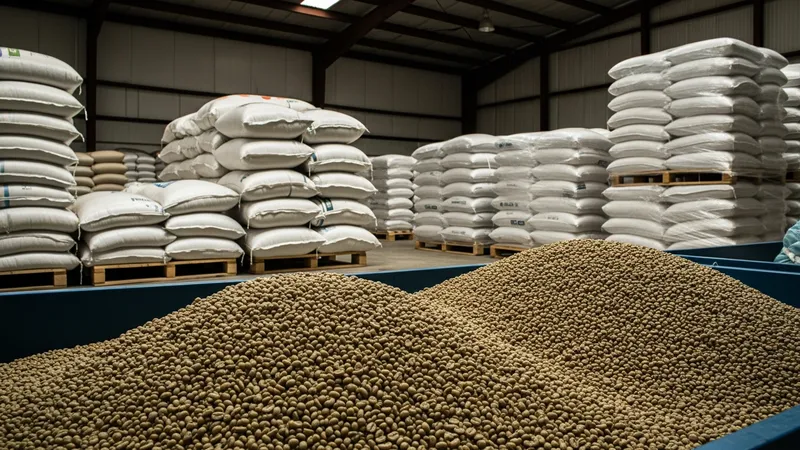
Storage solutions for green coffee necessitate careful planning. Warehousing services often offer climate control and security, essential for maintaining bean quality during holding periods. However, extended storage durations can lead to increased costs, particularly if market conditions delay sale or delivery. Balancing inventory turnover with market outlook is a common consideration for portfolio managers.
Quality verification procedures represent another operational factor. Certifying bean origin and grade may require laboratory analysis or third-party inspection, usually incurring additional fees. Investment vehicles linked to certified stocks sometimes offer enhanced transparency but may reflect higher operating costs, which can affect overall portfolio returns.
Trading fees, whether on physical or futures contracts, vary across exchanges and platforms. Institutional investors may benefit from negotiated rates, while smaller participants could face higher per-unit costs. Administrative fees associated with fund management or regulatory compliance are also relevant, particularly for portfolios with diversified or international exposure.