
Government Loans: Options For Low Income Seniors Explained

Types of Government Loans Commonly Accessible to Low-Income Seniors
Several government loan types designed for low-income seniors focus on different financial needs, often with eligibility linked to age, income, and property status. Reverse mortgages, for example, permit homeowners aged 62 and older to borrow against their home equity without monthly repayments until the loan becomes due. This model can potentially provide income supplementation or fund needed expenses. Such loans are typically insured by the Federal Housing Administration (FHA).
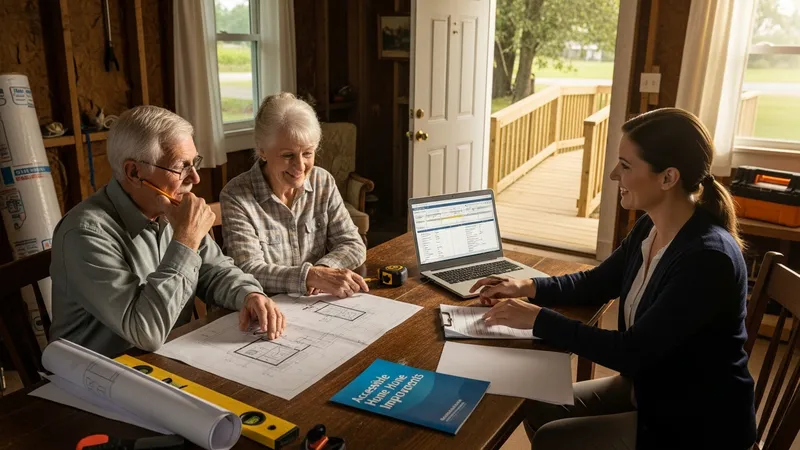
Home repair loans and grants function to support the maintenance or improvement of residences, often addressing accessibility modifications or safety concerns. These loans usually involve fixed repayment schedules and favorable interest rates, with certain programs like the USDA Rural Development loans targeting homeowners in qualifying rural areas. Amounts generally cater to moderate renovation needs.
Medical assistance loans, while less frequently addressed by direct government loan programs, may sometimes fall under broader emergency assistance or special purpose loan categories. They might be linked to specific state initiatives or non-profit collaborations rather than a centralized federal loan structure, reflecting the complex intersection of healthcare and financing policies for seniors.
Emergency financial support programs operated at local or state levels sometimes offer short-term loan options to assist seniors facing unexpected costs. These can include disaster recovery loans or temporary relief loans for unforeseen personal hardships, with variable terms regarding amounts and repayment schedules. These programs often supplement other permanent loan options available to the elderly.