
Germany’s Sustainable Power Strategy: Grid Modernization And Infrastructure Planning

Grid technologies and digitalisation relevant to Germany’s power transition
Modernising Germany’s grid often involves layered technology upgrades that enable monitoring, automation, and advanced control. Examples typically include wide-area measurement systems, distribution-level SCADA enhancements, and digital substations that support remote configuration. These technologies may allow TSOs and DSOs to detect congestion, perform coordinated switching, and execute dynamic network reconfiguration. German pilot programmes and research institutions, such as Fraunhofer institutes, frequently test interoperability between vendor systems to ensure that equipment installed in German networks meets national functional requirements.
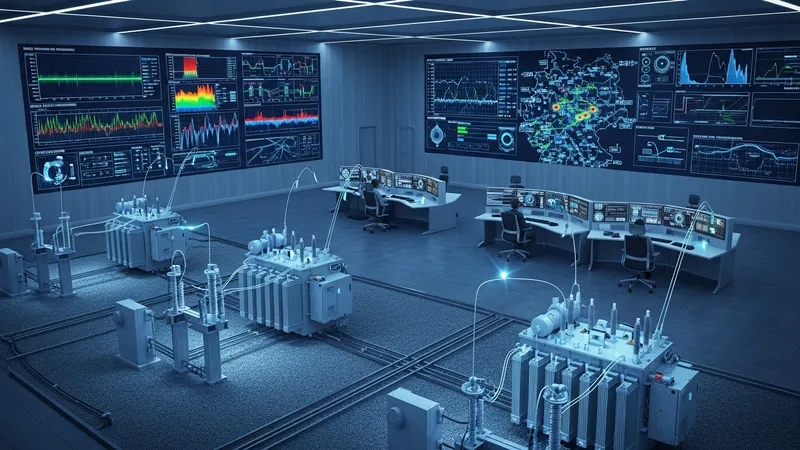
Digitalisation can also support better forecasting and market participation for renewable plants. Improved weather and generation forecasts may reduce uncertainty about wind and solar output, enabling more accurate scheduling and reduced imbalance volumes. Data exchange standards between TSOs, DSOs, and market participants are often aligned with national regulations to preserve system security. Cybersecurity and data-protection considerations are commonly addressed in technology procurements to match German legal expectations for critical infrastructure.
Grid-adjacent technologies such as power-electronics-based converters are more prominent in Germany’s transmission and distribution systems due to the large share of inverter-connected generation. These converters may provide controllable reactive power and frequency response when configured accordingly. Adapting protection schemes to accommodate converter behaviour is often necessary, and German grid code updates typically outline test and modelling requirements for new plant types to ensure stable interaction across network elements.
Investment decisions for technological upgrades typically take into account expected lifecycle costs and operational benefits. German utilities and network operators may use phased deployments and pilot projects to validate new systems before wider roll-out. Where possible, regulatory frameworks allow for cost recovery mechanisms that reflect the long-term nature of network assets, although allocations and timelines remain subject to approval by the Bundesnetzagentur and related oversight bodies.