
Gasoline Retail Operations: Key Processes And Current Industry Trends

Technological Developments Impacting Gasoline Retail Operations
Technological development continues to influence gasoline retail operations, with automation and digitalization at the forefront. Automated fuel dispensers are increasingly equipped with advanced sensors and real-time diagnostics to minimize downtime and enhance operational reliability. Regular upgrades can improve response times during maintenance events.
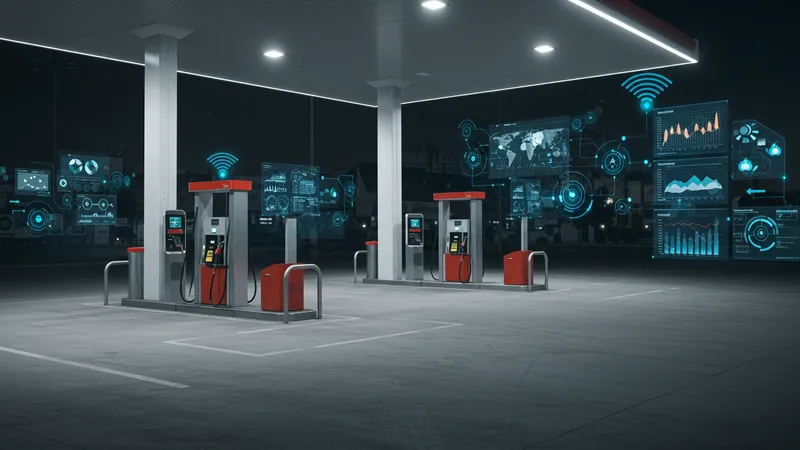
Inventory and tank monitoring systems are evolving to include remote access features, integration with cloud-based reporting, and more precise leak detection. Operators using these technologies may benefit from improved regulatory compliance and enhanced data analytics, assisting them in optimizing ordering cycles and minimizing losses.
The integration of POS solutions with broader enterprise resource planning (ERP) platforms is also underway in many operations. This integration can unify sales, inventory, and resource tracking, enabling multi-location oversight and simplified reporting. The scalability and adaptability of POS systems are key factors in technology selection and update cycles.
Adapting to ongoing technological change requires operators to invest in workforce training, periodic system audits, and stay informed on industry-wide standards. While the rate and scope of innovation can vary, these trends underscore a gradual shift toward digitally enabled, customer-focused, and compliance-oriented operations in gasoline retail.