
Foundation Contractors: Key Steps In Residential Foundation Construction

Installation Techniques Used by Foundation Contractors: Key Steps in Residential Foundation Construction
Installation techniques are adapted to both the selected foundation type and site conditions. For a poured concrete slab, contractors construct sturdy perimeter forms, install rebar grids, and schedule the concrete pour to occur when weather and temperature conditions support proper curing. Curing compounds or coverings may be used to protect the slab and ensure gradual moisture loss, reducing cracking risks.
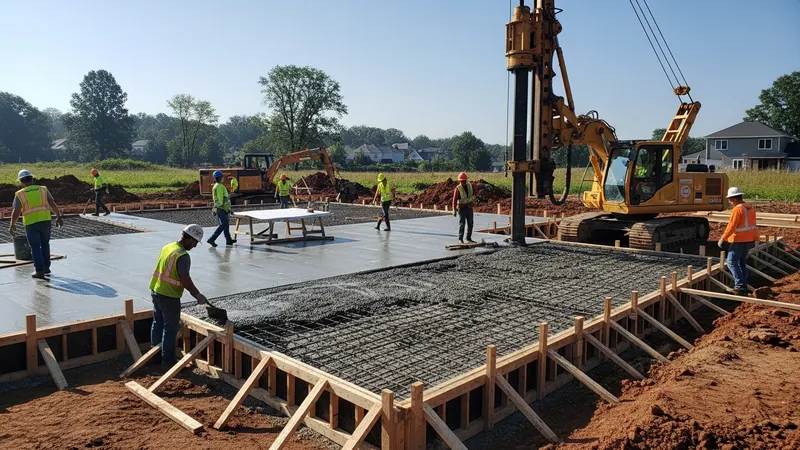
In regions where soil movement or flooding is a concern, pier or pile foundations may be chosen. Specialized equipment is used to drive steel or concrete piers deep into stable soil layers. This method helps transfer building loads past weaker surface soils, supporting stability over the structure’s lifetime. Foundation depth and spacing are calculated by engineers and verified through physical inspection during the installation phase.
Footings, a common element of many residential foundations, are often installed in trenches dug to accommodate the planned width and depth. Contractors carefully position and level the formwork before pouring concrete. Key procedures include vibratory consolidation to remove air pockets and attention to weather forecasts to minimize risks from precipitation or temperature drops during curing.
Advanced techniques, such as post-tensioned slab systems, may be used in certain projects to add flexibility and strength. In these cases, steel cables are run through the slab and tightened after the concrete sets. Contractors coordinate closely with engineers to ensure tensioning is applied uniformly and at the correct time to avoid damaging the structure.