
Forensic Accounting: Identifying And Investigating Corporate Fraud

Reporting and Legal Considerations in Forensic Accounting for Corporate Fraud
One critical function of forensic accounting in corporate fraud cases in the United States is the preparation of clear, well-documented reports that can be used in legal proceedings or regulatory reviews. These reports typically outline findings, describe the methodologies applied, and present evidence in a factual and comprehensible manner. Documentation standards are guided by professional organizations and may be required to comply with legal evidentiary standards.
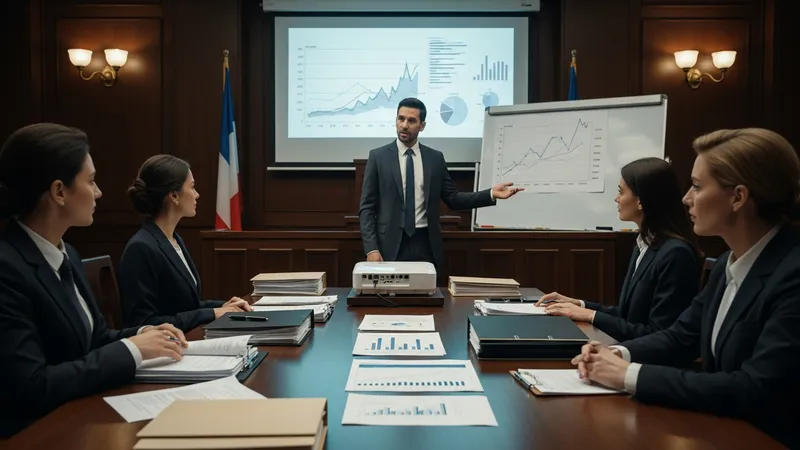
Forensic accountants may be called upon to give expert testimony in courts or regulatory hearings. Their ability to explain complex accounting concepts and present investigation outcomes in non-technical language is often crucial. Properly maintained audit trails and supporting documentation lend credibility and facilitate a transparent review of investigative procedures and conclusions.
Collaboration with legal counsel is common during forensic accounting investigations. Attorneys may provide guidance regarding the handling of sensitive materials, privileges, and legal rights of the parties involved. The forensic accountant’s findings may influence legal strategies or negotiation outcomes, depending on the scope and substance of the evidence uncovered.
Confidentiality and ethical conduct are central to forensic accounting practice in the United States. Professionals must adhere to established codes of ethics, maintain objectivity, and avoid conflicts of interest. Compliance with relevant regulations, such as those set by the Securities and Exchange Commission or state boards, is essential to ensure findings are accepted in both legal and regulatory contexts.