
Fleet Insurance: Understanding Policy Structures And Benefits

Fleet insurance refers to an insurance policy that covers multiple vehicles owned and operated by a single business or organisation within Ireland. Instead of insuring each vehicle separately, a fleet policy may streamline management and provide tailored risk protection across company vehicles. The structures of these policies often depend on factors such as fleet size, business type, and vehicle use cases.
Policy structures for fleet insurance typically include different levels of cover, flexible liability limits, and various risk management provisions. Insurers in Ireland often offer customisable options that allow organisations to select coverage aligned with their operational requirements and industry regulations. This comprehensive approach supports businesses in keeping their vehicles road-legal while managing potential liabilities.
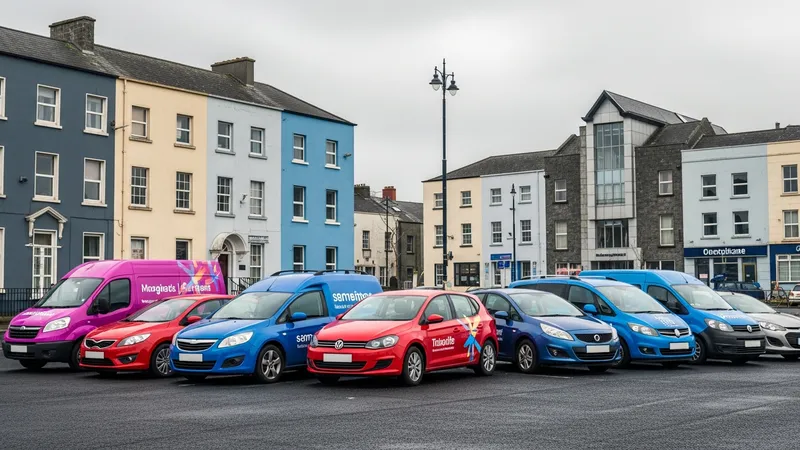
- Comprehensive Fleet Cover: This offers protection for damage to all vehicles in the fleet, third-party liabilities, and theft. Details can be found at the Central Bank of Ireland’s insurance sector overview.
- Third-Party, Fire and Theft: A policy structure that covers damage or injury to third parties, with added protection if the insured vehicles are stolen or damaged by fire. See a summary on the Citizens Information Ireland site.
- Telematics-Enabled Risk Management: Some Irish providers include telematics systems to monitor vehicle use and encourage safer driving, contributing to risk reduction. Examples are described by IrishFleet.ie.
One key benefit of fleet insurance in Ireland is administrative efficiency. Businesses may find it easier to renew and amend coverage for the entire vehicle group under a single agreement, potentially saving time typically spent on managing individual insurance documents and renewal processes.
Another advantage is the ability to adjust coverage levels based on the risk profile of the fleet. Irish organisations often discuss liability limits and vehicle types with insurers to ensure that policy terms reflect their current operational situation. This flexibility could result in more appropriate and measured risk management than standard single-vehicle policies.
Fleet policies in Ireland frequently include specific requirements for drivers, such as age, licensing, and experience. Companies may be asked to keep updated records for every authorised driver. This keeps the policy in line with local regulations and helps manage exposure to risk.
Accurate claims management is another core element. Insurers in Ireland often provide dedicated claims support for fleet policies, allowing businesses to report incidents quickly and track resolution. This structured approach can facilitate operational continuity by minimising vehicle downtime following an incident.
In summary, fleet insurance in Ireland presents multi-vehicle owners with an avenue for grouped risk management and policy consolidation, governed by national regulations and market practices. The next sections examine practical components and considerations in more detail.