
Fintech E-Wallet: How Digital Wallets Streamline Financial Transactions

Integration of Digital Wallets with Mexican Financial and Payment Ecosystems
Digital wallets in Mexico often connect with existing banking infrastructure to facilitate fund transfers and payment acceptance. Integration mechanisms may include partnerships with Banco de México-supported platforms like CoDi, which enables instant payments via QR codes. This allows wallets to process transactions in real time across multiple vendors and service providers without the need for traditional card networks.
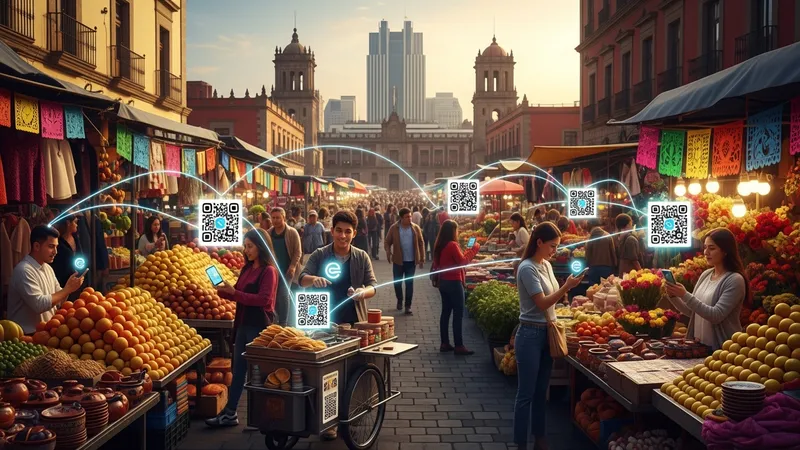
Wallet solutions may also interface with clearinghouses and electronic funds transfer systems regulated within Mexico to enable interoperability between different financial institutions. This connectivity can support practical use cases such as payroll distribution, peer-to-peer payments, and utility bill settlements. The increasing use of smartphones and internet access in Mexico supports broad adoption of these integrated digital wallet functionalities.
Some digital wallets may offer APIs to enable merchants and developers to embed payment acceptance into e-commerce and mobile applications. This capacity allows for expanded use of digital wallets beyond individual consumers to include business transactional workflows. The design of these platforms typically accounts for local transaction volumes and compliance demands to align with Mexico’s financial ecosystem.
Ongoing technological advancements might influence future integration possibilities, including contactless payment acceptance at physical retail points and real-time financial data synchronization. These developments occur within the context of regulatory updates and evolving user preferences in Mexico’s digital financial market.